
Middle East Tensions Threaten Data Center Operations Through Rising Energy Costs
The escalating military confrontation in the Middle East poses significant risks to global energy markets, with potential consequences for data center operations and electricity pricing across the United States. As conflicts intensify around critical energy infrastructure, industry experts warn of mounting pressure on power costs that could complicate the technology sector’s ambitious expansion plans.
Energy Infrastructure Under Attack
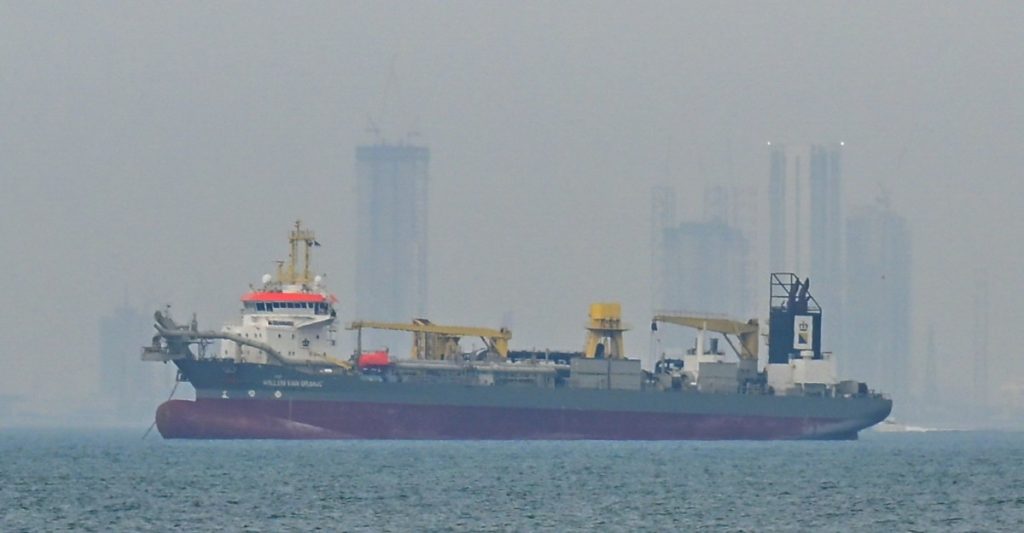
Recent developments have transformed energy facilities into strategic targets, with attacks on fuel storage sites and natural gas infrastructure becoming increasingly common. The situation has deteriorated rapidly, with threats to block oil exports from the region entirely. Most concerning for global markets is the reported deployment of naval mines in the Strait of Hormuz, a critical waterway that handles approximately twenty percent of worldwide petroleum shipments and liquefied natural gas trade.
Reed Blakemore, director of research and programs at the Atlantic Council Global Energy Center, explains that the fundamental challenge now centers on maritime security through this vital shipping channel. What began as increased insurance costs for vessels has evolved into serious safety concerns that have virtually halted traffic through the strait.
Market Response and Price Volatility
Financial markets have reacted dramatically to the uncertainty, with oil prices surging past one hundred dollars per barrel and approaching one hundred twenty dollars during peak volatility periods. This represents a significant escalation from earlier price increases, reflecting growing concerns about the conflict’s duration and intensity.
While the United States benefits from domestic oil production that provides some insulation from global market shocks, this protection has limits. As a major participant in international energy markets through exports, American consumers remain vulnerable to worldwide price fluctuations, though the impact may be delayed compared to other regions.
Natural Gas and Electricity Implications
The natural gas sector faces similar challenges, though with different dynamics. The United States maintains stronger domestic production capabilities for natural gas, providing better regional price stability. However, as global gas prices rise due to supply disruptions, American liquefied natural gas exporters face incentives to sell overseas rather than domestically, creating upward pressure on local prices.
This dynamic particularly affects electricity generation, as natural gas has become the primary fuel source for new power plants supporting data center expansion. While immediate electricity price spikes appear unlikely, extended conflict could gradually increase power costs over a period of months.
Data Center Industry Concerns
The technology sector’s rapid buildout of artificial intelligence infrastructure faces indirect but significant challenges from these energy market disruptions. While electricity costs represent a relatively small portion of total data center construction and operation expenses, rising power prices could intensify public opposition to these facilities.
Data centers already face growing criticism for their substantial electricity consumption, which contributes to higher utility bills for residential and commercial customers. Additional energy cost increases could further erode public support for new data center projects, potentially complicating permitting processes and community relations.
Industry analysts suggest that while the immediate operational impact on data centers may be limited, the broader implications for energy affordability could create lasting political and social challenges for the sector’s expansion plans.
Long-term Strategic Considerations
The current situation highlights the vulnerability of global energy systems to geopolitical instability and the interconnected nature of regional conflicts and technology infrastructure development. As companies continue investing heavily in artificial intelligence capabilities requiring massive computational resources, energy security and pricing stability become increasingly critical factors in strategic planning.
The resolution timeline for current tensions remains uncertain, with market reactions closely tied to diplomatic developments and military escalation patterns. This uncertainty compounds planning challenges for technology companies balancing rapid expansion goals with operational cost management and public acceptance of their energy-intensive facilities.