
Tech Giant Phases Out SMS Authentication in Push for Enhanced Security
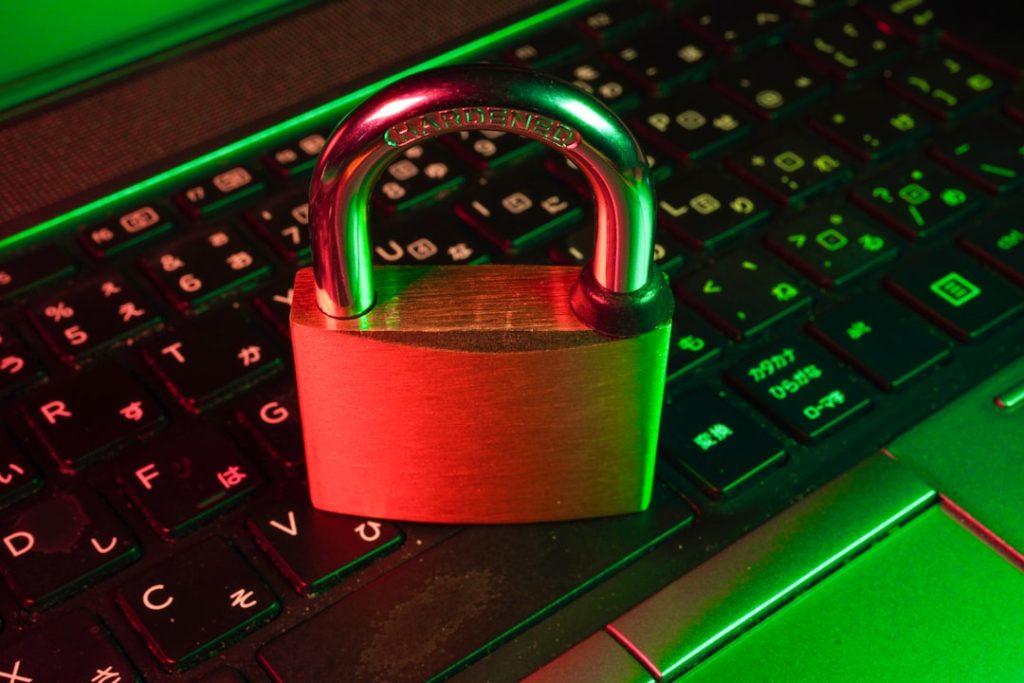
A major technology company is taking decisive action to eliminate SMS-based two-factor authentication for personal accounts, citing security vulnerabilities that have made text messages a primary vector for cybercriminals. This move represents a significant shift in how users will access their accounts, forcing millions to adopt more secure authentication methods.
The Security Problem with SMS Codes
I believe this change is long overdue. SMS authentication has been living on borrowed time for years, and frankly, it’s about time a major player took the lead in eliminating it. Text message codes are incredibly vulnerable to SIM swapping attacks, where criminals convince phone carriers to transfer your number to their device, and phishing schemes that trick users into revealing their codes.
The convenience factor of SMS codes has kept them popular, but convenience shouldn’t come at the expense of security. For everyday users who just want to check their email, this might feel like an unnecessary hassle. However, for anyone who stores sensitive information, conducts business, or has financial data linked to their accounts, this transition is absolutely critical.

The Rise of Passkey Technology
The company is pushing users toward passkeys and authenticator applications as replacements for SMS verification. Passkeys leverage your device’s built-in security features like fingerprint scanners, facial recognition, or device PINs to authenticate your identity. This technology creates a unique cryptographic signature that can’t be replicated or stolen through traditional phishing methods.
What I find particularly compelling about passkeys is their resistance to remote attacks. Unlike SMS codes that can be intercepted or social engineering attacks that can trick users into sharing codes, passkeys require physical proximity to your trusted device. This makes them virtually immune to the most common forms of account compromise.
Who Benefits Most from This Change
Business users and anyone with valuable digital assets should embrace this transition immediately. If you’re someone who uses your account for work, stores important documents in cloud services, or has payment methods linked to your profile, the enhanced security is worth any temporary inconvenience during setup.

Conversely, casual users who primarily use their accounts for basic services might find this change frustrating. The setup process for passkeys can be more complex than simply receiving a text message, and older devices may not support the latest authentication standards.
Implementation Timeline and User Impact
While no specific deadline has been announced, users are already receiving prompts to transition away from SMS authentication. The company is also promoting authenticator apps and verified backup email addresses as alternative security methods for those whose devices don’t support passkey technology.
In my opinion, this gradual rollout approach is smart. Rather than cutting off SMS authentication overnight and potentially locking users out of their accounts, the phased approach gives people time to set up alternative methods and become comfortable with the new technology.
The broader tech industry should take note of this move. Password-based security is fundamentally flawed, and SMS authentication was always meant to be a temporary bridge to better solutions. Companies that continue relying on outdated authentication methods are doing their users a disservice and exposing them to unnecessary risk.
Photo by Dan Nelson on Unsplash