
Professional Baker Reveals Expert Techniques for Rescuing Cracked Cheesecakes
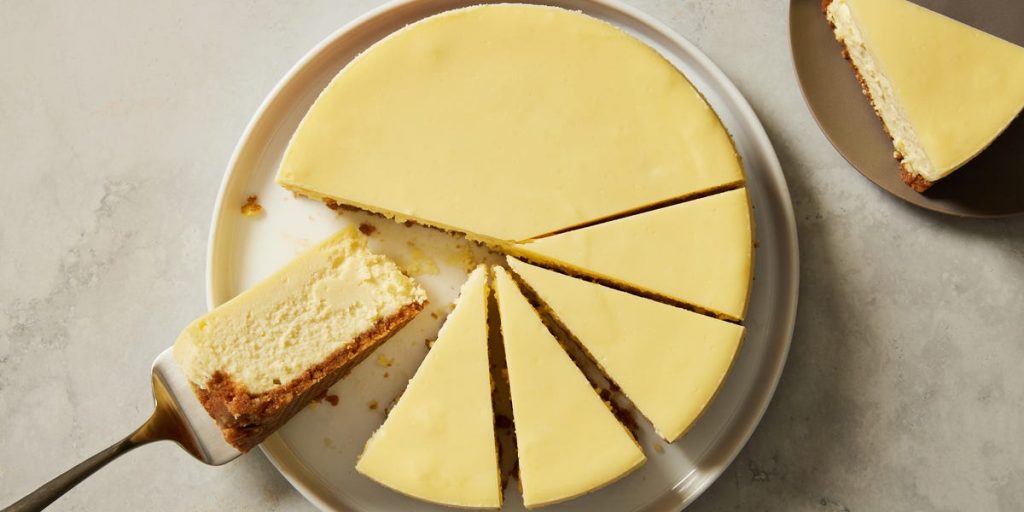
As someone who creates desserts professionally, I can tell you that cheesecake cracking is one of the most common disasters that sends home bakers into a panic. The truth is, this happens to everyone – even experienced pastry chefs deal with it regularly. What separates professionals from amateurs isn’t avoiding cracks entirely, but knowing exactly how to fix them when they occur.
I believe too many people throw away perfectly good cheesecakes because of surface imperfections. This is wasteful and unnecessary. The reality is that cracks develop due to multiple factors including excessive mixing, temperature shock, and prolonged baking time. Rather than viewing this as a failure, I see it as an opportunity to demonstrate recovery skills that every serious baker should master.
The Heat Fusion Method
This technique might sound unconventional, but it’s incredibly effective for minor to moderate surface damage. I recommend this approach for bakers who want to maintain the original appearance of their dessert without adding extra components.
The process requires patience, which honestly makes it unsuitable for impatient bakers or those working under tight deadlines. You’ll need to wait until your cheesecake has completely cooled, as additional cracking can occur during the cooling process. Using a small offset spatula or even a regular spoon, submerge the tool in extremely hot water for several seconds until the metal becomes thoroughly heated.
Working quickly, dry the tool and gently glide it along the crack edges. I start from the outer edges and gradually work toward the center, essentially welding the surface back together through controlled heat application. This technique demands practice and won’t work for everyone – those who lack fine motor control or patience should skip this method entirely.
Strategic Concealment Approach
Honestly, I think this is the smarter option for most home bakers. Why struggle with repairs when you can transform the flaw into a feature? This method works universally and actually enhances the final presentation.
The key is selecting the right topping consistency. Thin sauces like caramel or fruit syrups will seep into cracks and highlight rather than hide them. I always recommend thick, substantial toppings that create visual weight and completely obscure the surface beneath.
Freshly whipped cream remains my top choice because it’s forgiving, delicious, and creates an elegant finish that guests expect on premium desserts. Chocolate ganache works exceptionally well for chocolate lovers, while fruit curd paired with fresh berries appeals to those preferring lighter flavors.
This approach benefits bakers who want guaranteed results without technical skill requirements. It’s particularly valuable for those serving guests who prioritize taste over perfection, and it’s ideal when you’re short on time or working with children who might struggle with precise repair techniques.
The bottom line is that cracked cheesecakes taste identical to perfect ones. I’ve served countless rescued desserts to satisfied customers who never suspected any issues. For home bakers, developing these recovery skills matters more than preventing every possible mistake – it builds confidence and reduces dessert-related stress significantly.