
Fixed Income Markets Navigate Stagflation Concerns and Energy Price Volatility
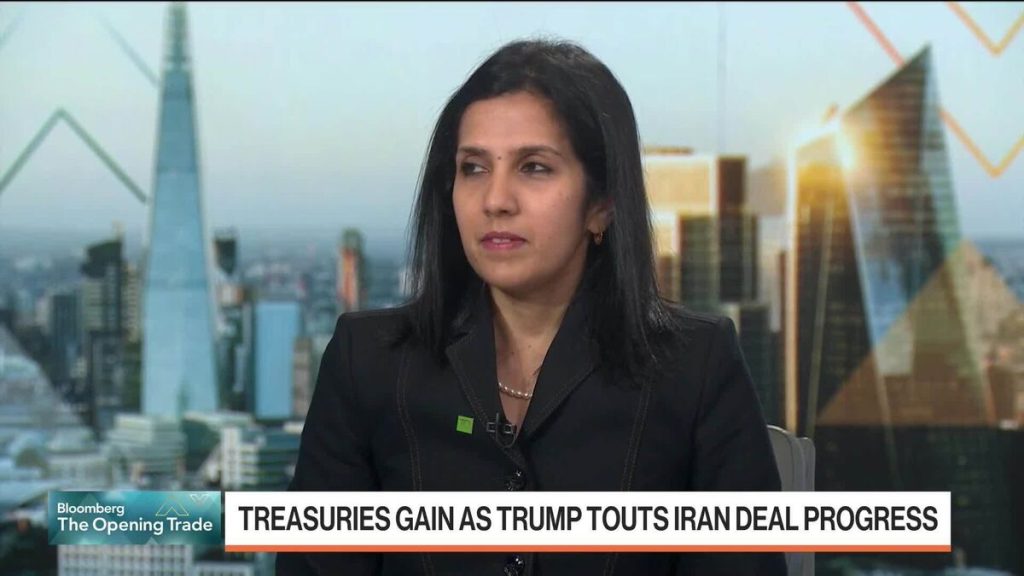
The global fixed income landscape is experiencing significant turbulence as investors grapple with a complex web of economic challenges that I believe will define market dynamics for months to come. Recent analysis from leading financial institutions reveals how bond markets are responding to elevated energy costs, persistent stagflation worries, and mounting fiscal pressures across major economies.
What strikes me most about the current environment is how dramatically the drivers of yield movements have shifted. Rather than being primarily influenced by inflation expectations—as we’ve seen in previous cycles—the recent volatility appears to be fundamentally rooted in real yield adjustments. This distinction is crucial for investors to understand, as it suggests markets are pricing in genuine economic growth concerns rather than just temporary price pressures.
The concentration of stagflation risk premiums in longer-dated securities is particularly telling. I think this reflects sophisticated institutional investors’ growing skepticism about central banks’ ability to engineer a soft landing while maintaining price stability. For pension funds and insurance companies with long-term liabilities, this presents a genuine dilemma: these institutions need duration exposure but are being forced to accept increasingly unfavorable risk-adjusted returns.
Energy Markets Driving Bond Volatility
The persistent elevation in oil prices continues to create ripple effects throughout fixed income markets. From my perspective, this energy-driven inflation dynamic is fundamentally different from the pandemic-era supply chain disruptions we witnessed earlier. Energy costs feed directly into production and transportation expenses, creating a more embedded inflationary pressure that monetary policy tools struggle to address effectively.
Individual retail investors should understand that this environment particularly challenges traditional portfolio diversification strategies. The historical negative correlation between stocks and bonds becomes unreliable when both asset classes face pressure from the same underlying economic forces. I believe this calls for a more nuanced approach to portfolio construction than many investors currently employ.
Fiscal Policy Complications
Government debt sustainability concerns are adding another layer of complexity to bond market dynamics. What concerns me most is how fiscal policy makers seem caught between competing pressures: the need to support economic growth while maintaining credible debt trajectories. This tension is particularly acute in developed economies where aging populations create structural spending pressures.
For institutional investors managing large fixed income allocations, I think the current environment demands much more active management than the passive strategies that worked well during the previous decade of declining rates. The days of simply riding the yield curve lower appear to be definitively over, requiring more sophisticated approaches to duration and credit risk management.
Investment Implications Moving Forward
The current market structure suggests that traditional buy-and-hold bond strategies may be inadequate for navigating this environment. I believe investors need to consider more tactical approaches, potentially including shorter duration positions and greater emphasis on inflation-protected securities.
However, this environment isn’t uniformly challenging for all market participants. Active fixed income managers with strong analytical capabilities and flexible mandates are likely to find significant opportunities in the increased volatility and market dislocations. The key is having the resources and expertise to navigate rapidly changing conditions rather than hoping for a return to the low-volatility environment of the past decade.