
Former Bank of England Governor Warns Alberta Against Separatist Movement, Drawing Brexit Parallels
The prospect of Alberta’s potential separation from Canada has drawn sharp criticism from a former central banking chief who witnessed firsthand the economic turmoil that followed Britain’s departure from the European Union. The warning comes as the oil-rich province considers a referendum that could fundamentally reshape North America’s political landscape.
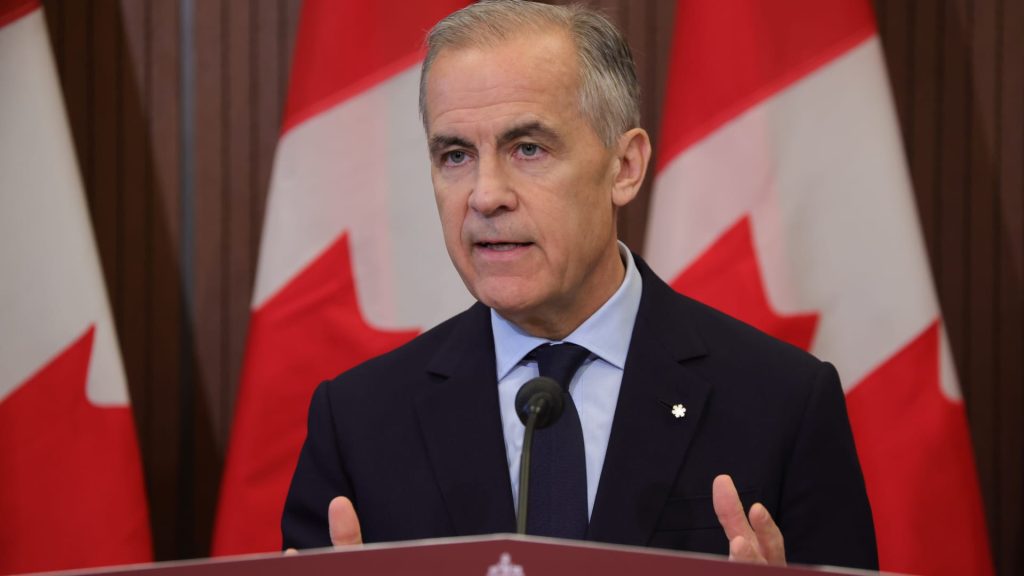
Speaking from Ottawa, the former Bank of England Governor cautioned against what he termed a “dangerous bluff” in separatist movements, drawing direct parallels to the 2016 Brexit vote that continues to reverberate through British politics and economics nearly a decade later.
In my view, this comparison is particularly astute. Having observed the Brexit saga unfold, it’s clear that separatist movements often promise outcomes they cannot guarantee. The idea that voters can simply test the waters with a “soft” separation vote is fundamentally flawed – once the democratic machinery is set in motion, the consequences become very real very quickly.
The Alberta situation has gained momentum after Premier Danielle Smith announced plans for a non-binding referendum, potentially followed by a binding vote on separation. The Stay Free Alberta movement claims to have gathered over 300,000 signatures, driven largely by frustrations with federal policies they view as detrimental to provincial interests.
This grievance-based politics is understandable but potentially shortsighted. While Alberta certainly has legitimate concerns about federal representation and resource policy, the economic reality of separation would likely prove far more complex and costly than supporters anticipate.
Historical Context and Economic Lessons
The Brexit comparison is particularly relevant given the economic aftermath that continues to unfold. Following the 2016 referendum, the British pound experienced a dramatic decline against major currencies and has never fully recovered to pre-Brexit levels. London’s financial markets, initial public offering landscape, and foreign direct investment flows all suffered significant setbacks.
What I find most telling is how the Brexit process exposed the gap between political promises and economic reality. The negotiation phase proved far more challenging than advocates had suggested, ultimately leading to governmental instability and ongoing economic consequences that economists estimate have reduced UK GDP by up to 8%.
For Alberta, the stakes could be similarly high. The province’s economy is deeply integrated with the rest of Canada through supply chains, financial systems, and regulatory frameworks. Untangling these relationships would likely prove far more disruptive than separatist advocates acknowledge.
Who Benefits from This Warning?
This cautionary message is most relevant for Alberta voters who might be tempted by separatist rhetoric without fully considering the long-term implications. Business leaders, particularly those in sectors dependent on interprovincial trade, should pay close attention to these developments. The uncertainty alone could impact investment decisions and economic planning.
However, this warning may fall on deaf ears among those who feel genuinely alienated by federal policies. For voters who believe the current system is fundamentally broken, economic arguments about separation costs may seem less compelling than the promise of political autonomy.
The Quebec Precedent
Canada has navigated separatist movements before, most notably Quebec’s 1995 referendum where voters narrowly chose to remain part of Canada with 50.58% opposing separation. That razor-thin margin demonstrated how close the country came to a fundamental transformation.
The Quebec experience offers both cautionary tales and potential pathways forward. While the referendum ultimately failed, it forced important conversations about federal-provincial relations and led to meaningful policy adjustments. Perhaps Alberta’s current movement could serve a similar function without requiring an actual separation vote.
Looking Forward
The broader lesson here extends beyond Alberta or even Canada. In an era of rising populism and regional grievances, the Brexit example serves as a crucial case study in how democratic processes can produce outcomes that even supporters later regret.
What matters most is honest dialogue about the real costs and benefits of separation, rather than the oversimplified promises that often characterize such movements. Alberta voters deserve a clear-eyed assessment of what separation would actually entail, not just the political rhetoric that surrounds it.
The former central banker’s warning should be taken seriously, not because separation movements are inherently wrong, but because the consequences of such decisions are invariably more complex and lasting than their advocates suggest. In a world where political decisions increasingly carry economic consequences that span generations, this kind of experienced perspective becomes invaluable.