
OpenAI CEO Expresses Relief Over Misjudging AI’s Impact on Professional Careers
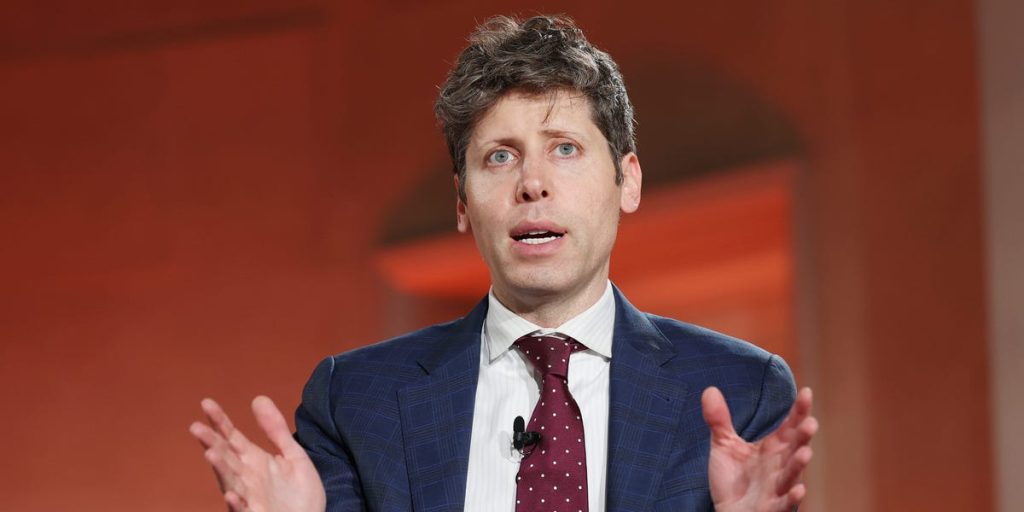
The chief executive of OpenAI recently admitted to being pleasantly surprised by how artificial intelligence has affected professional employment, acknowledging that his earlier predictions about widespread job displacement were overly pessimistic. This admission comes at a time when the AI industry continues to grapple with the real-world implications of rapidly advancing technology.
I find this acknowledgment refreshing, though it raises important questions about how tech leaders make public predictions about transformative technologies. When executives at major AI companies make bold claims about job displacement, they’re essentially shaping public discourse and policy discussions around emerging technology. The fact that these predictions can be so far off the mark suggests we should approach such forecasts with healthy skepticism.
The Reality of AI’s Professional Impact
Rather than eliminating white-collar positions wholesale, artificial intelligence appears to be reshaping how professional work gets done. Many knowledge workers are finding themselves augmented rather than replaced by AI tools, using these systems to enhance productivity and tackle more complex challenges.
This development particularly benefits professionals who embrace technological change and invest time in learning how to work alongside AI systems. Forward-thinking lawyers, writers, analysts, and consultants are discovering that AI can handle routine tasks, freeing them to focus on higher-value strategic work. However, those who resist adapting to these new tools may find themselves at a competitive disadvantage.
Who Benefits From This AI Evolution
The current trajectory of AI development seems most advantageous for mid-career professionals who possess both domain expertise and technological curiosity. These individuals can leverage AI to amplify their existing skills while maintaining the human judgment and creativity that remains irreplaceable.
Small businesses and startups also stand to gain significantly, as AI tools democratize capabilities that were previously available only to large corporations with substantial resources. A solo consultant can now access sophisticated analysis tools, while a small marketing agency can produce content at scales that once required entire teams.
The Limitations and Blind Spots
However, I believe this optimistic view overlooks certain vulnerable populations. Entry-level professionals who typically handle the routine tasks that AI now performs may struggle to find pathways into their chosen careers. The traditional apprenticeship model of starting with basic work and gradually taking on more responsibility becomes problematic when AI handles those foundational tasks.
Additionally, professionals in highly standardized fields where human judgment adds less value may still face significant disruption. While creative and strategic roles appear safer, positions involving pattern recognition and data processing remain at risk.
The Broader Implications for Society
This shift toward AI augmentation rather than replacement has profound implications for how we think about education and career development. Universities and training programs need to focus more heavily on skills that complement AI capabilities rather than compete with them.
I think the most successful professionals moving forward will be those who view AI as a powerful collaborator rather than a threat. This mindset shift requires both technical literacy and emotional intelligence – understanding not just how to use AI tools, but when to trust their output and when human oversight remains essential.
The key question isn’t whether AI will change professional work – it already has. The question is whether individuals and organizations will adapt quickly enough to harness these changes productively. Those who do will likely find themselves more capable and efficient than ever before. Those who don’t may discover that the disruption they feared from AI comes instead from competitors who embraced it.