
Oil Markets Rally Toward Century Mark as Middle East Tensions Escalate
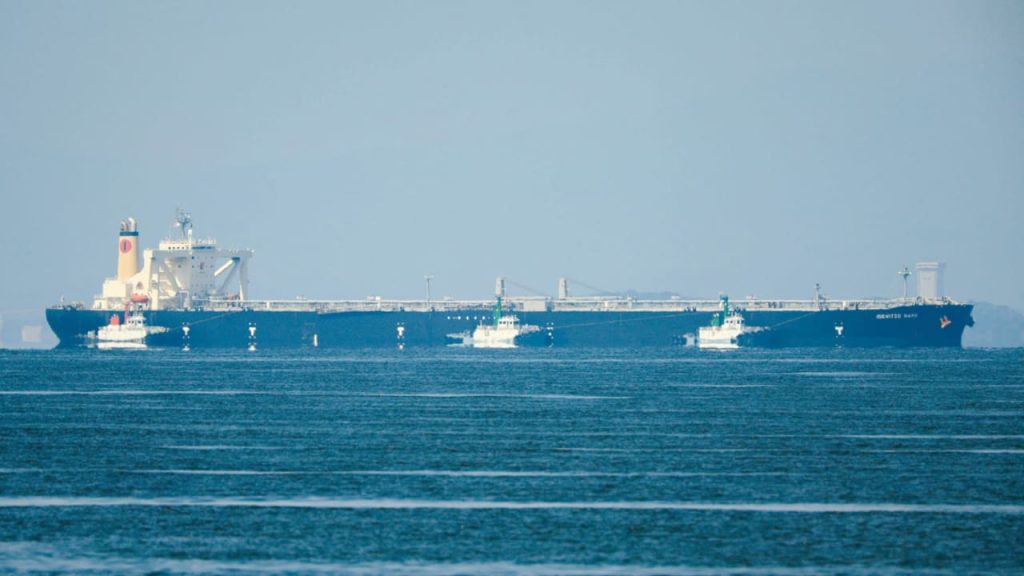
The global energy market is witnessing a concerning surge as crude oil prices push dangerously close to the $100 per barrel threshold, a psychological barrier that hasn’t been breached since the early days of the Ukraine conflict. This latest spike comes amid renewed geopolitical tensions in the Middle East, where military actions have disrupted what appeared to be diplomatic progress.
What strikes me most about this development is how quickly energy markets can pivot from cautious optimism to outright anxiety. Just weeks ago, analysts were discussing potential stability in oil pricing, yet here we are watching Brent crude and West Texas Intermediate futures climb steadily upward. This volatility underscores a fundamental truth about energy markets that many investors seem to forget: geopolitics trumps economics every single time.
Who Benefits from Rising Oil Prices
The current price surge creates clear winners and losers across the economic spectrum. Energy companies, particularly those in shale production and offshore drilling, stand to benefit significantly from higher margins. I believe this is especially relevant for smaller exploration firms that struggled during the low-price environment of recent years. These companies can finally justify increased capital expenditure and expansion projects.
However, the beneficiaries extend beyond just oil producers. Countries heavily dependent on energy exports will see their fiscal positions improve dramatically. This includes nations across the Gulf region, parts of Africa, and South America where oil revenues form the backbone of government budgets.
The Losers in This Energy Equation
On the flip side, consumers and energy-intensive industries face mounting pressure. What concerns me most is the timing – with inflation already straining household budgets globally, higher energy costs could push many families over the financial edge. Transportation companies, airlines, and manufacturing sectors will likely see their profit margins compressed significantly.
Small businesses, particularly those in logistics and delivery services, face an especially challenging situation. Unlike large corporations that can hedge against energy price fluctuations, smaller operators must absorb these costs directly, often with little ability to pass them on to customers immediately.
Market Psychology and the $100 Barrier
The approach toward $100 per barrel represents more than just a numerical milestone – it’s a psychological trigger that tends to accelerate market movements. In my view, once this threshold is crossed, we’re likely to see panic buying and strategic stockpiling that could push prices even higher in the short term.
What’s particularly troubling is how this price surge threatens to unravel months of careful monetary policy work by central banks worldwide. Higher energy costs inevitably translate to increased inflation, potentially forcing interest rate decisions that could stifle economic growth.
Long-term Implications for Energy Security
This latest crisis reinforces my belief that energy independence should be a top priority for every nation. Countries that have diversified their energy sources and invested heavily in renewable alternatives are better positioned to weather these storms. The current situation serves as a stark reminder that relying too heavily on volatile regions for energy supplies carries enormous economic risks.
I think this moment presents an opportunity for accelerated investment in alternative energy infrastructure, though the transition timeline remains frustratingly long for immediate relief. The reality is that fossil fuels will continue to dominate global energy markets for years to come, making these price swings inevitable.
For investors, this environment demands careful consideration of both opportunities and risks. While energy stocks may seem attractive, the sector’s inherent volatility requires a strong stomach and diversified approach. The winners in this scenario will be those who can navigate both the immediate opportunities and long-term structural changes in the global energy landscape.