
Tech Giant’s AI Conference Reveals Aggressive Push Toward Conversational Computing
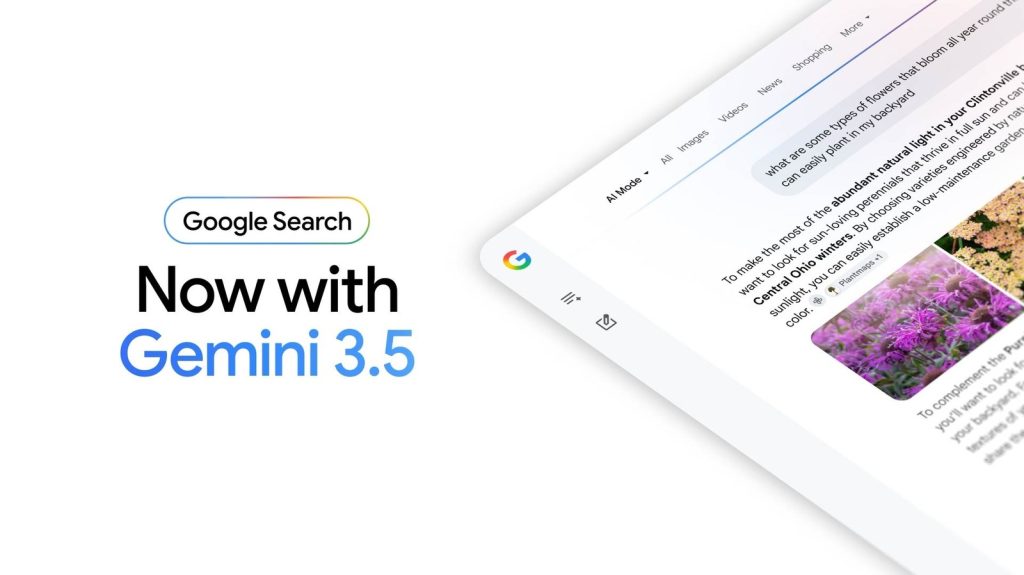
The latest developer conference from Mountain View’s tech behemoth showcased an unmistakable reality: artificial intelligence has become the singular obsession driving product development. What we witnessed was both impressive and concerning—a company betting everything on AI assistants that want to insert themselves into every aspect of our digital lives.
Search Gets an AI Makeover
The most significant announcement centers on a complete overhaul of search functionality. Instead of simple text completion, the new system uses machine learning to predict user intent and help formulate queries. Users can now input images, videos, and entire browser tabs as search parameters. While this represents a technical achievement, I question whether we really need AI to help us ask questions—sometimes the best queries come from our own imperfect, human curiosity.
The enhanced AI search mode, powered by the latest language model iteration, runs parallel to traditional search. This dual approach makes sense for power users, but I worry it will overwhelm casual users who just want to find restaurant hours or check the weather.
The Rise of Autonomous Digital Assistants
Perhaps the most ambitious reveal was Spark, a cloud-based digital assistant designed to handle complex, multi-step tasks autonomously. This system can monitor financial statements for unwanted subscriptions, track school communications, and compile documents automatically. It even integrates with third-party services to complete purchases and reservations.
Here’s where I see both promise and peril. For busy professionals juggling multiple responsibilities, Spark could be genuinely helpful. Parents managing household finances and school communications might find real value here. However, I’m skeptical about surrendering this level of control to an AI system. The promise of confirmation before major actions provides some comfort, but it also raises questions about digital dependency.
Who benefits most? Likely affluent users with complex digital lives who can afford the premium pricing. Who gets left behind? Anyone uncomfortable with AI surveillance of their personal communications and financial data.
Smart Glasses Enter the Mainstream
The hardware announcements focused on augmented reality glasses developed through partnerships with established eyewear brands. These devices offer real-time translation, text recognition, and photo capture capabilities, all while maintaining conversation with the AI assistant.
I’m genuinely excited about the translation features—this could break down language barriers in meaningful ways for travelers and international business professionals. However, the constant AI companion aspect feels excessive. Do we really need to chat with artificial intelligence while walking down the street?
The Pricing Reality Check
The subscription tier restructuring reveals the company’s true AI ambitions. A new $100 monthly plan sits between the existing $20 and $250 options, offering higher usage limits and priority access to coding tools plus expanded cloud storage.
This pricing strategy tells us everything about the target market. These aren’t consumer prices—they’re enterprise and power-user rates. The company clearly believes AI capabilities justify premium pricing, but I question whether the value proposition matches the cost for most users.
The top-tier plan, reduced from $250, now includes access to experimental 3D world-building tools using street view imagery. This sounds impressive in demos but feels like a solution searching for a problem.
Who This Really Serves
After analyzing these announcements, I believe this AI push primarily benefits three groups: enterprise customers who can justify the costs, tech enthusiasts who enjoy bleeding-edge features, and developers building AI-integrated applications.
For everyone else—students, retirees, small business owners, families on tight budgets—these advances feel disconnected from real needs. The focus on conversational AI assumes everyone wants to talk to their devices constantly, which simply isn’t true.
What concerns me most is the underlying assumption that more AI interaction equals better user experience. Sometimes the most efficient interface is still a simple button or menu. Not every task needs natural language processing.
The conference revealed impressive technical capabilities, but I remain unconvinced that this AI-everywhere approach serves users better than thoughtfully designed, purpose-built tools. The future being presented feels more like a tech company’s vision of what we should want rather than what we actually need.