
Escape the Tourist Trap: Discovering Authentic Experiences Beyond Tulum’s Beach Scene
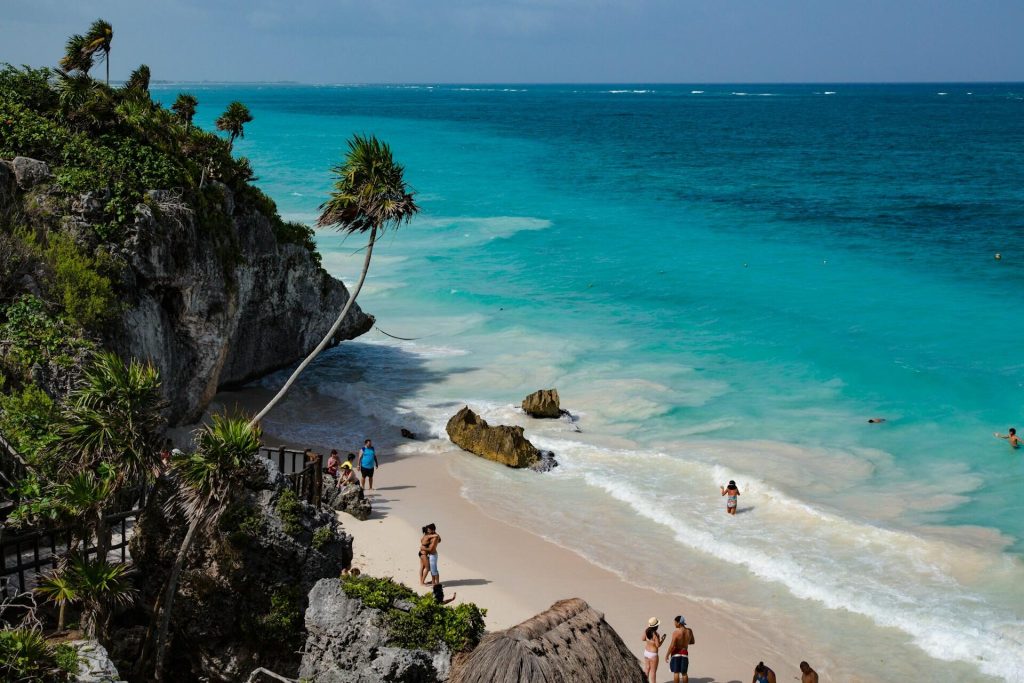
I’ll be honest—watching the waves of festival-dressed tourists descend on this small Mexican coastal town makes me cringe a little. The locals have coined the perfect term for these visitors: combat-boot-wearing, spirituality-seeking travelers who’ve turned what was once a peaceful fishing village into something resembling a beach rave. But here’s what I think many people miss: there’s an entirely different Tulum waiting to be discovered, one that has nothing to do with crowded beach clubs or overpriced wellness retreats.
For travelers who actually want to experience Mexico’s cultural richness rather than just photograph themselves in front of it, the real treasures lie in the jungle and ancient sites surrounding this coastal town. I believe these inland adventures offer something far more meaningful than another sunset cocktail—they provide genuine connection to the region’s incredible Maya heritage and natural wonders.
Sacred Waters: The Mystical World of Cenotes
The Tankah community serves as guardians of a remarkable 750-acre jungle sanctuary containing four pristine cenotes—natural limestone pools that the ancient Maya considered gateways to the underworld. What strikes me most about these 65-million-year-old formations is how they maintain their spiritual significance even today. Swimming in these crystal-clear waters feels like entering another realm entirely, surrounded by dripping stalactites and the flutter of bat wings echoing through limestone caverns.
This experience is perfect for travelers seeking authentic cultural immersion rather than Instagram opportunities. The Tankah community prepares traditional meals using centuries-old techniques, and their handcrafted souvenirs directly support local artisans. If you’re the type of person who values meaningful cultural exchange over superficial tourism, this is where your money should go.
Cobá: Where History Meets Tranquility
Most visitors flock to overcrowded archaeological sites where they spend more time applying sunscreen than actually observing ancient architecture. Cobá offers the opposite experience—a jungle-shaded Maya city that once served as a major trade hub between 600 and 900 CE. The site houses the Yucatán’s tallest pyramid at 138 feet, accessible via ancient stone roads that you can traverse on foot or bicycle.
What makes Cobá exceptional isn’t just its impressive scale, but the intimate details you can actually appreciate in the cooler, shaded environment. The skull carvings and ball court hoops reveal intricate craftsmanship that’s easy to miss when you’re rushing through sun-baked ruins. The Xunaan Kab Maya community offers workshops in creating Maya Blue pigment, providing hands-on connection to artistic traditions spanning generations.
This site appeals to history enthusiasts and anyone seeking educational travel experiences. It’s not for people looking for quick photo opportunities or those unwilling to engage with cultural learning.
Sian Ka’an: A UNESCO Treasure Worth the Journey
The Sian Ka’an Biosphere Reserve represents one of the Yucatán Peninsula’s most diverse ecosystems, and frankly, it’s criminally undervisited compared to the beach scene. This UNESCO World Heritage Site encompasses tropical forests, mangroves, marshes, ancient ruins, cenotes, and coral reefs—essentially an entire world within a single protected area.
The wildlife viewing here is extraordinary: manatees, crocodiles, stingrays, and over 300 bird species inhabit waters that display electric blues unlike anything I’ve seen elsewhere. The ancient Maya canals, built over 1,500 years ago as trade routes, now offer peaceful floating experiences through mangrove forests where you’ll encounter more wildlife than people.
This destination suits nature lovers, wildlife enthusiasts, and travelers who appreciate pristine environments. It’s definitely not for those seeking convenience, luxury amenities, or easy accessibility.
Chichen Itza: Beyond the Crowds
Yes, Chichen Itza draws massive crowds, but there’s a reason this Maya city earned designation as both a UNESCO World Heritage Site and New Wonder of the World. The two-hour drive from Tulum rewards visitors with remarkably preserved architecture that demonstrates the Maya’s sophisticated understanding of astronomy, mathematics, and engineering.
El Castillo pyramid functions as both temple and calendar, with architectural features reflecting astronomical events. The ball courts, ceremonial platforms, and detailed etchings with original pigments showcase artistic and scientific achievements that remain impressive by today’s standards.
This site works best for visitors genuinely interested in pre-Columbian history and architecture. If you’re just checking boxes or seeking quick sightseeing, the crowds and heat might outweigh the educational value.
Culinary Adventures: Where Locals Actually Eat
Forget the overpriced beachfront restaurants catering to wellness tourists. The real culinary treasures lie in neighborhood taquerías and family-run establishments where cochinita pibil—slow-roasted pork traditional to this region—reaches perfection.
Local favorites include establishments where margaritas flow freely, vegan gardens tucked into residential areas, and hole-in-the-wall spots beloved by both residents and informed travelers. The evening scene at treehouse-style bars offers genuine local atmosphere without the pretentious wellness branding.
These dining experiences suit food enthusiasts seeking authentic regional cuisine and travelers comfortable with casual, local environments. They’re not appropriate for visitors requiring upscale ambiance or familiar international menus.
Who Should Skip the Alternative Route
I’ll be direct about who shouldn’t follow this itinerary: if you’re seeking luxury accommodations, spa treatments, or carefully curated Instagram content, stick to the beach resorts. These inland adventures require flexibility, cultural curiosity, and willingness to engage with local communities on their terms rather than demanding Western conveniences.
The experiences I’ve outlined reward travelers who prioritize authentic cultural immersion over comfort, educational opportunities over entertainment, and supporting local economies over familiar tourist infrastructure. For everyone else, there are plenty of beach clubs waiting.