
Taiwanese Literature Gains Global Recognition: Essential Works Beyond the Prize Winners
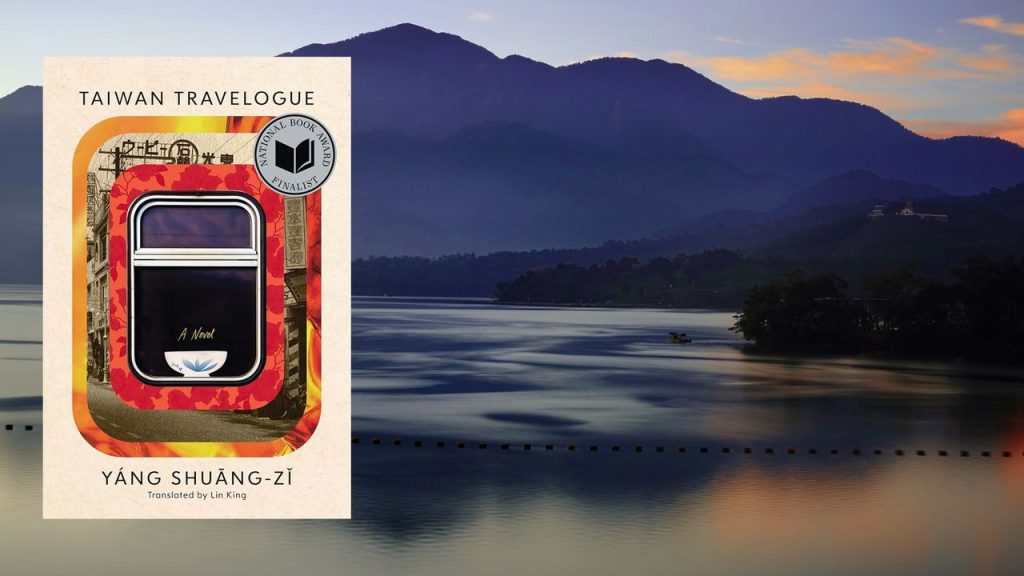
The literary world has witnessed a remarkable milestone with Taiwanese fiction achieving unprecedented international acclaim through major literary prizes. This recognition represents more than just an individual achievement—it signals a long-overdue spotlight on the rich tapestry of Taiwanese storytelling that has been flourishing for decades.
What strikes me most about this development is how it reflects the global publishing industry’s gradual awakening to voices beyond the traditional Western canon. For too long, English-language readers have missed out on the nuanced perspectives that emerge from Taiwan’s unique cultural position—caught between tradition and modernity, East and West, independence and integration.
Why This Matters Now
This breakthrough is particularly significant for readers seeking authentic contemporary Asian voices. Unlike literature that merely exoticizes Asian experiences for Western consumption, Taiwanese writers offer genuine insights into the complexities of modern Asian identity. Their work resonates with anyone navigating questions of belonging, cultural heritage, and personal freedom in an increasingly interconnected world.
However, I believe this recognition also presents a challenge. There’s always a risk that one celebrated work becomes a token representation, allowing readers and publishers to check a diversity box without truly engaging with the broader literary tradition it represents.
Essential Taiwanese Voices Worth Discovering
For readers genuinely interested in exploring this literary landscape, several authors deserve attention beyond the prize winners. Wu Ming-yi stands out for his environmental consciousness and magical realism, weaving ecological themes with deeply human stories that speak to our current climate crisis. His approach would particularly appeal to readers of contemporary Latin American fiction or those interested in cli-fi literature.
Li Ang’s feminist perspectives offer unflinching examinations of women’s experiences in patriarchal societies. Her work isn’t for everyone—it can be brutal and uncompromising—but it’s essential reading for those seeking to understand gender dynamics in modern Asia. Western readers comfortable with authors like Margaret Atwood or Octavia Butler would find her work compelling.
Generational Perspectives
What fascinates me about Taiwanese literature is how different generations of writers approach their island’s complex history. Older writers often grapple with the trauma of martial law and political oppression, while younger voices explore globalization, digital culture, and environmental concerns. This generational dialogue creates a literary ecosystem that’s both historically grounded and forward-looking.
Writers like Chang Ta-chun and Chu Tien-wen represent different approaches to this cultural inheritance. Chang’s satirical edge appeals to readers who appreciate dark humor and social criticism, while Chu’s experimental techniques would interest those drawn to postmodern literary forms.
Who Should Explore This Literature
I believe Taiwanese literature is particularly valuable for readers in several categories. First, those interested in postcolonial perspectives will find rich material here, as Taiwan’s history involves multiple colonial experiences and ongoing questions of national identity. Second, readers seeking fresh takes on universal themes—family, love, loss, ambition—will discover how these experiences take unique forms within Taiwanese cultural contexts.
However, this literature isn’t for everyone. Readers seeking escapist fiction or simple narratives might find the cultural complexity challenging. The best Taiwanese literature often requires engagement with historical and political contexts that some readers prefer to avoid in their leisure reading.
The Broader Impact
This international recognition could transform how English-language publishers approach Asian literature. I hope it encourages more translation projects and creates space for diverse Taiwanese voices, not just those that fit easily into Western literary categories.
The real test will be whether this moment leads to sustained interest in Taiwanese literature or remains a brief cultural moment. Publishers and readers both have roles to play in determining whether this recognition becomes a foundation for broader cultural exchange or simply a footnote in literary history.
For serious readers, this represents an opportunity to engage with a literary tradition that offers fresh perspectives on contemporary global experiences. The question isn’t whether Taiwanese literature deserves attention—it clearly does. The question is whether international readers are ready to move beyond surface-level cultural tourism and truly engage with these complex, rewarding works.