
Airport Security Privatization Sparks Fierce Debate Over Safety and Efficiency
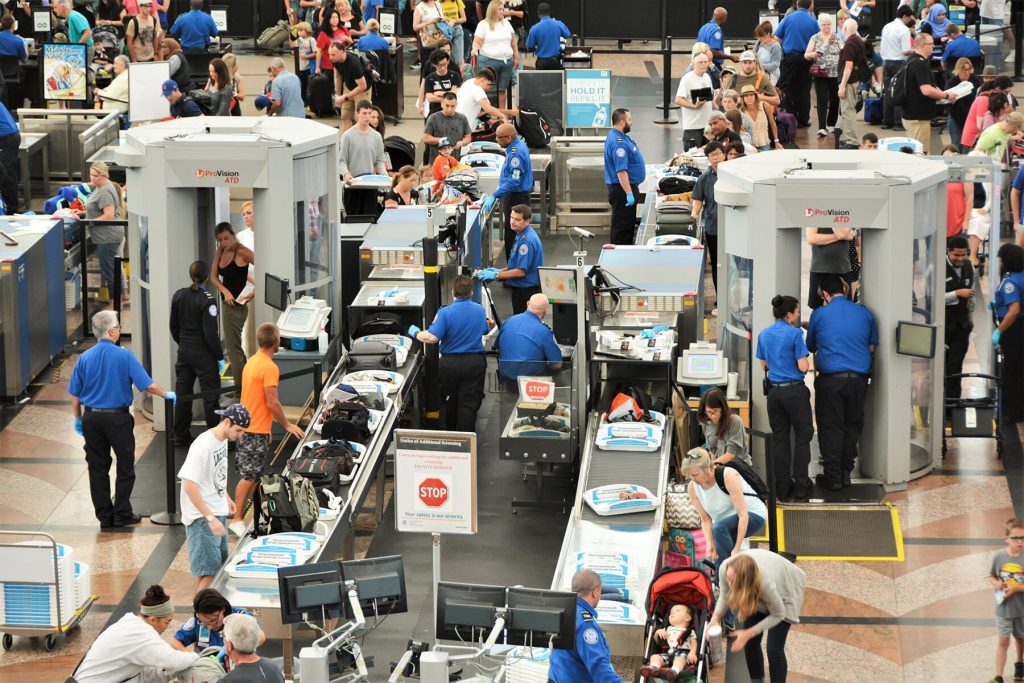
The aviation security landscape stands at a crossroads, and frankly, I think we’re witnessing a potentially dangerous shift that prioritizes efficiency over proven safety protocols. The Transportation Security Administration is rolling out an expanded privatization initiative called TSA Gold+, building upon their existing contractor program that currently operates at 20 airports nationwide.
What concerns me most about this development is the fundamental misunderstanding of what airport security should prioritize. While proponents tout innovation and reduced wait times, they’re essentially gambling with a system that was rebuilt from the ground up after one of the most devastating security failures in American history.
The Privatization Push: Innovation or Risk?
The new TSA Gold+ program represents a significant expansion beyond the current Screening Partnership Program. Unlike the existing model where federal oversight maintains strict control, this initiative grants private contractors unprecedented autonomy to deploy artificial intelligence systems and maintain their own equipment. I believe this is where the proposal becomes genuinely problematic.
For frequent business travelers and airport operators, this might sound appealing. The promise of cutting-edge technology and streamlined operations certainly addresses legitimate frustrations with current security bottlenecks. However, I think this demographic is missing the bigger picture about what’s truly at stake.
The agency claims airports won’t face additional costs for these services, though the funding mechanism remains deliberately vague. This opacity alone should raise red flags for anyone concerned about accountability in critical infrastructure.
Why This Matters More Than You Think
Here’s what I find most troubling about this shift: we’re essentially returning to a pre-September 11th security model, albeit with federal oversight. The original privatized system failed catastrophically, leading to the creation of the current federal framework. Now we’re being asked to trust that private companies will prioritize security over profit margins.
Union leadership has raised valid concerns about this transition, and I think their warnings deserve serious consideration. When profit-driven entities control sensitive security technology, the potential for cost-cutting measures that compromise safety becomes a real threat. Federal employees have job security and pension benefits that create different incentives than private contractors focused on quarterly earnings.
The most revealing aspect of this debate emerged during recent government shutdowns. While privatized airports maintained operations and shorter wait times, this advantage came at the cost of removing security screening from direct federal control during national emergencies. I find it deeply concerning that we’re using temporary operational hiccups to justify permanent structural changes to national security infrastructure.
Who Benefits and Who Doesn’t
This privatization initiative clearly benefits airport operators seeking to reduce passenger complaints about long lines. Business travelers who prioritize speed over security considerations will likely appreciate the promised improvements. Private security companies stand to gain substantial contracts and profit opportunities.
However, I believe this comes at the expense of aviation security workers, who face potential job losses and reduced benefits. More importantly, the traveling public loses the assurance that their safety is the primary consideration rather than a balance between security and operational efficiency.
The seven to eleven month transition timeline feels rushed for such a fundamental change to national security infrastructure. This isn’t a software upgrade or customer service enhancement – it’s a restructuring of the systems designed to prevent terrorist attacks on commercial aviation.
In my view, the push for privatization reflects a dangerous prioritization of convenience over security. While nobody enjoys long security lines, the current federal system exists because private contractors previously failed to prevent the deadliest terrorist attack in American history. Trading proven security protocols for promised efficiency improvements strikes me as a gamble with unacceptable stakes.