
Japanese Sportswear Brand Expands Luxury Retail Presence in Shanghai’s Premier Shopping District
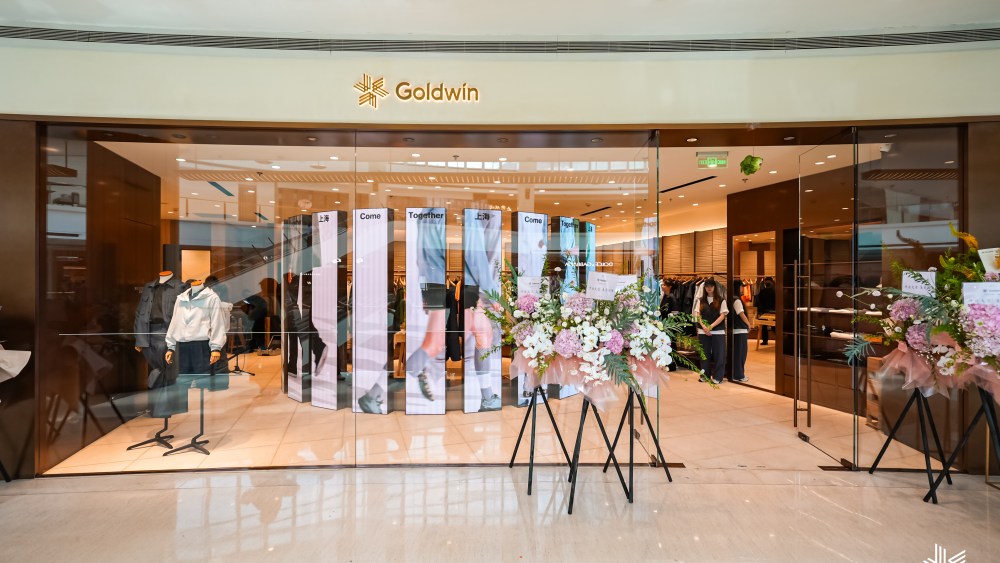
The Japanese athletic wear company has secured a prominent location in one of Shanghai’s most prestigious luxury shopping destinations, taking over space that was previously occupied by two European fashion brands. This strategic move represents a significant milestone in the brand’s ambitious expansion across China’s high-end retail landscape.
What strikes me most about this development is how it demonstrates the evolving nature of luxury retail in Asia. The company’s positioning as “accessible luxury” in the sportswear category is particularly clever – they’re targeting consumers who want premium quality and design without the astronomical price points of traditional luxury houses. This approach makes perfect sense for today’s market, where functionality and style increasingly converge.
The brand’s president articulates their strategy well, emphasizing how their minimalist aesthetic masks sophisticated technical innovation. Their signature waffle-knit T-shirts, priced at approximately $132, have become their standout success in the Chinese market. I think this price point is brilliantly calculated – high enough to signal quality and exclusivity, yet accessible enough for aspirational consumers.
What’s particularly impressive is their technical foundation. The company operates a specialized laboratory in Japan that drives their material innovation, giving them a genuine competitive advantage over brands that simply focus on marketing and design. This technical expertise, I believe, will be crucial for long-term success as consumers become more discerning about performance and sustainability.
The timing of their market entry during the pandemic in 2022 was bold, and their quick pivot to form a joint venture with a local distribution partner in 2024 shows smart adaptability. This kind of agility is essential for international brands navigating China’s complex retail environment.
Their expansion strategy appears measured and realistic. Currently operating nine locations in China with plans to open six stores annually, they’re avoiding the trap of over-expansion that has caught many international brands. The goal of eventually reaching around 70 stores in China as part of their global target of 120 locations seems achievable given their current trajectory.
I’m particularly intrigued by their concept of “market imagination” – using local partnerships to envision new possibilities rather than simply transplanting their Japanese retail model. This approach shows cultural intelligence that many Western brands lack when entering Asian markets.
The brand’s research initiative that explores topics like homeland concepts and disaster preparedness is fascinating, though I wonder how effectively these abstract ideas translate into commercial products. Still, this kind of intellectual curiosity sets them apart from purely commercial sportswear brands.
For investors and retail analysts, this expansion represents an interesting case study in how technical innovation can differentiate a brand in the crowded athletic wear space. The company’s dual role as both manufacturer and retailer gives them control over their entire value chain – a significant advantage in an era of supply chain volatility.
Their broader portfolio, including rights to major outdoor brands in Japan and South Korea, provides a solid foundation for growth. However, success in China’s luxury retail market will ultimately depend on their ability to maintain brand prestige while scaling operations – a challenge that has proven difficult for many international brands.