
Fashion’s Psychology of Summer: When Designers Embrace Duality Over Destination
The fashion industry’s obsession with exotic locales for resort collections has reached a fascinating turning point. Rather than jet-setting to picturesque coastlines for inspiration, some creative directors are discovering that the most compelling narratives come from understanding the human psyche itself. This shift represents a more mature approach to luxury fashion—one that I believe resonates far more deeply with contemporary consumers than another sun-soaked fantasy.
David Koma’s latest pre-collection for Blumarine exemplifies this evolution perfectly. Instead of chasing geographical inspiration, he’s chosen to explore the psychological transformation that occurs during summer months—how we become bolder, more exposed versions of ourselves when the temperature rises. This concept feels refreshingly authentic in an era where travel-inspired collections often feel forced and disconnected from reality.
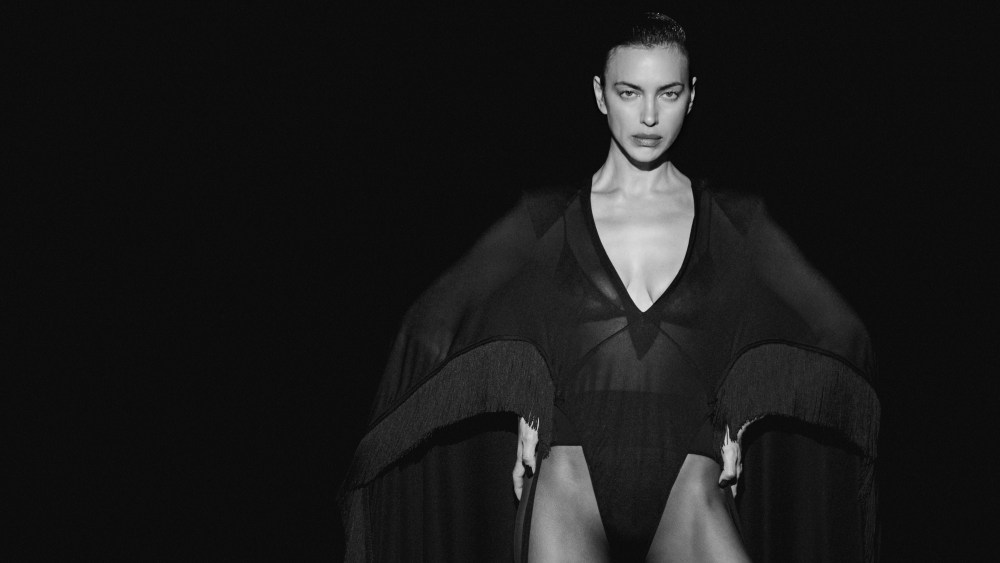
What strikes me most about this approach is Koma’s decision to center the collection around a single muse rather than a destination. By selecting Irina Shayk to embody the brand’s duality between seduction and romance, he’s created something that feels both aspirational and relatable. This is smart positioning for luxury brands trying to maintain relevance with consumers who increasingly value authenticity over fantasy.
The Art of Balancing Act
Koma’s exploration of contrasts—the daring versus the delicate—demonstrates a sophisticated understanding of modern femininity. His ability to dial down the theatrical drama while maintaining the brand’s signature codes shows remarkable restraint. This is particularly valuable for consumers who appreciate luxury craftsmanship but don’t want to look like they’re wearing a costume.
The collection’s opening pieces lean heavily into dark romanticism with fringed transparent garments and smoking jackets featuring integrated satin details. While these pieces showcase technical expertise, they’re likely to appeal primarily to fashion insiders and red-carpet moments rather than everyday luxury consumers. However, this positioning serves an important purpose—it establishes the brand’s creative credentials before offering more accessible pieces.
Where Wearability Meets Aspiration
The real strength of this collection lies in its lighter moments. The lime-hued and bougainvillea-printed mini dresses with their delicate ruffles and turquoise beading strike exactly the right balance between special occasion glamour and vacation-appropriate practicality. These pieces would genuinely work for the modern luxury consumer who wants to feel elevated without appearing overdressed.
The white looks particularly caught my attention—a crinkle-georgette dress with cascading ruffles and a crisp poplin shirt dress with sculptural elements. These pieces demonstrate that luxury doesn’t always need to shout; sometimes the most powerful statement comes from impeccable cut and quality fabrication. For the discerning shopper building a capsule resort wardrobe, these are the pieces that justify their investment.
Who This Collection Serves
This approach will resonate most with luxury consumers who appreciate subtle sophistication over obvious branding. Women who travel frequently for business or pleasure, who need pieces that transition seamlessly from day to evening, will find genuine value here. The collection also speaks to those who understand that true luxury lies in versatility and craftsmanship rather than logo placement.
However, fashion enthusiasts seeking dramatic statement pieces or those who prefer their luxury with more obvious visual impact might find some offerings too restrained. The collection requires a certain level of fashion literacy to fully appreciate its nuances, which could limit its appeal to newer luxury consumers.
Ultimately, this psychological approach to resort wear represents a welcome maturation in luxury fashion. By focusing on the internal transformation that summer brings rather than external destinations, designers can create collections that feel both timeless and deeply personal. This is fashion that understands its wearer as a complex individual rather than a simple aspirational target—and that’s exactly what luxury fashion needs to remain relevant in today’s market.