
Embracing Traditional Italian Home Cooking: A Return to Authentic Flavors
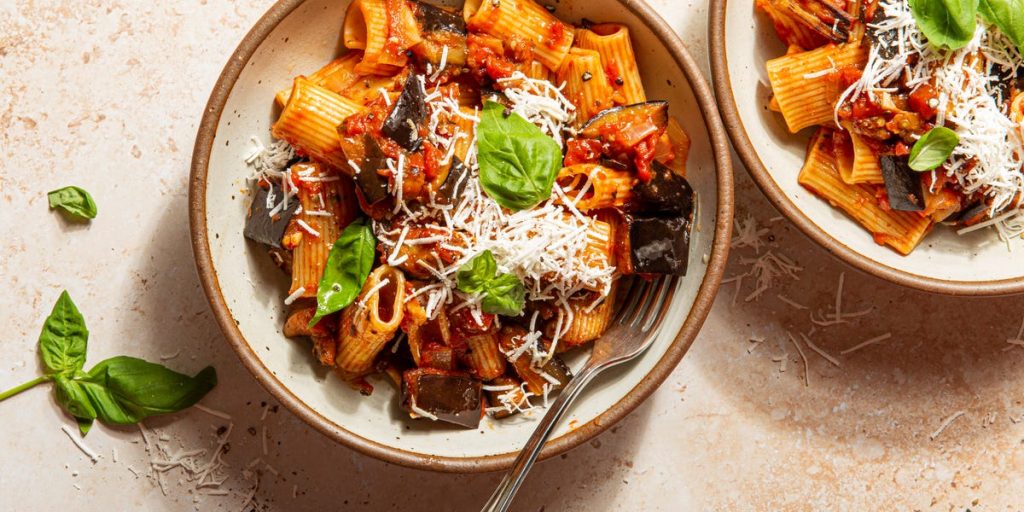
The growing trend of embracing traditional Italian cooking at home represents something I find genuinely refreshing in our fast-paced, convenience-obsessed world. There’s a beautiful irony in how younger generations are discovering the therapeutic value of slow, methodical cooking—something their great-grandmothers knew instinctively.
This movement toward authentic Italian home cooking isn’t just about food; it’s about reclaiming a connection to tradition and finding peace in the kitchen. I believe this trend particularly resonates with people who feel overwhelmed by modern life’s constant demands and are seeking grounding experiences.
Who Benefits Most From This Culinary Approach
In my opinion, this style of cooking serves specific types of people exceptionally well. Those who appreciate the meditative aspects of cooking will find tremendous value in the repetitive motions of hand-rolling pasta or slowly building a proper ragu. People dealing with stress or anxiety often discover that the focused attention required for traditional techniques provides unexpected mental relief.
However, I must be honest—this isn’t for everyone. If you’re constantly rushing between commitments or genuinely dislike spending time in the kitchen, the time investment required for authentic Italian cooking might feel more like a burden than a blessing.
Essential Techniques Worth Mastering
The foundation of authentic Italian cooking lies in mastering a few fundamental techniques that I consider non-negotiable. Learning to make fresh pasta from scratch transforms your understanding of texture and flavor in ways that dried pasta simply cannot match. The process of creating a proper soffritto—that holy trinity of onions, carrots, and celery—forms the backbone of countless traditional dishes.
What I find most compelling about these techniques is their simplicity. Italian cooking doesn’t rely on exotic ingredients or complicated procedures. Instead, it demands patience, quality ingredients, and respect for time-honored methods.
Building Your Traditional Pantry
Creating an authentic Italian pantry requires thoughtful curation rather than extensive shopping lists. High-quality olive oil, aged Parmigiano-Reggiano, San Marzano tomatoes, and proper Italian rice varieties like Arborio or Carnaroli form the essential foundation.
I strongly believe that investing in fewer, higher-quality ingredients yields far better results than filling your pantry with mediocre substitutes. This philosophy particularly matters for Italian cooking, where each ingredient plays a starring role rather than hiding behind heavy sauces or complex preparations.
The Reality of Time Investment
Let me address the elephant in the room: traditional Italian cooking demands time. Making risotto properly requires thirty minutes of constant stirring. Developing a rich Bolognese sauce takes hours of gentle simmering. This time commitment represents either the greatest appeal or the biggest deterrent, depending on your lifestyle and priorities.
For busy professionals or parents juggling multiple responsibilities, I honestly question whether this cooking style fits realistically into their daily routines. However, for those who can embrace it as weekend projects or special occasion cooking, the rewards justify the investment.
Seasonal Cooking Philosophy
Traditional Italian cooking follows seasonal rhythms that I find increasingly relevant in our climate-conscious era. Spring brings fresh peas for risotto, summer offers abundant tomatoes for sauce-making, autumn provides mushrooms for hearty pasta dishes, and winter calls for rich braises and warming soups.
This seasonal approach benefits both your cooking and your budget, as you’re working with ingredients at their peak quality and lowest prices. It also connects you to natural cycles that our modern food system often obscures.
Who Should Skip This Trend
I need to be direct about who this cooking style doesn’t serve well. If you prioritize convenience above all else, find detailed cooking processes frustrating, or simply don’t enjoy spending extended time in the kitchen, traditional Italian cooking will likely feel like an unwelcome chore rather than a rewarding experience.
Similarly, those dealing with extremely limited kitchen space or lacking basic equipment like a good knife, cutting board, and heavy-bottomed pans will struggle to execute these techniques properly. The investment in both time and tools makes this approach impractical for some living situations.
That said, I believe there’s something profoundly satisfying about mastering these traditional techniques for those willing to embrace the process. The connection to generations of Italian cooks who perfected these methods adds depth and meaning that goes far beyond simple meal preparation.