
Corporate Real Estate Transformation Signals Market Evolution
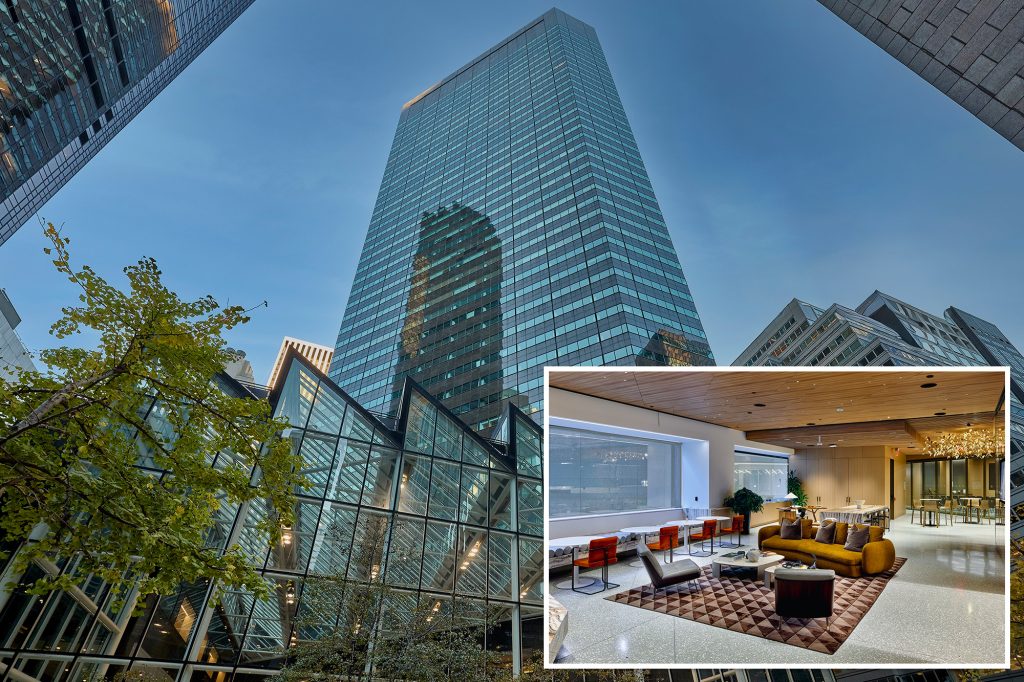
The commercial real estate sector is witnessing a fascinating transformation as property developers tackle the challenge of modernizing aging corporate towers. This trend represents more than just cosmetic updates—it’s a fundamental shift in how we think about urban workspace infrastructure.
When established real estate firms undertake comprehensive renovations of former technology company headquarters, they’re making a bold statement about the future of office spaces. These projects typically involve substantial capital investments and signal confidence in long-term commercial real estate prospects, despite ongoing debates about remote work’s impact on office demand.
I believe this type of adaptive reuse represents smart urban planning. Rather than demolishing perfectly functional structures, developers are breathing new life into buildings that already have strong bones and prime locations. This approach makes environmental sense and often proves more cost-effective than ground-up construction.
However, these transformations aren’t without risks. The success of such projects depends heavily on market timing and the ability to attract tenants who value modern amenities in established locations. Companies seeking cutting-edge facilities might find these renovated spaces appealing, while businesses prioritizing brand-new construction might look elsewhere.
The renovation strategy particularly benefits organizations that value:
- Established urban locations with proven transportation access
- The character and gravitas that comes with repurposed landmark buildings
- Potentially lower lease rates compared to newly constructed premium towers
Conversely, this approach may not suit companies that:
- Require highly specialized infrastructure that’s difficult to retrofit
- Prefer the prestige associated with occupying newly built facilities
- Need maximum flexibility in space configuration
What strikes me most about these projects is how they reflect broader economic confidence. When real estate firms commit significant resources to major renovations, they’re essentially betting on sustained demand for quality office space in prime locations. This optimism suggests that reports of the office market’s demise may be greatly exaggerated.
The transformation of former corporate headquarters also highlights an interesting trend in urban development. These buildings often occupy premium real estate in established business districts, making them valuable assets worth preserving and updating rather than replacing. Smart developers recognize that location remains king in commercial real estate, even as tenant preferences evolve.