
Designer Beauty Brand Unveils Bold Maximalist Makeover After Three-Year Hiatus
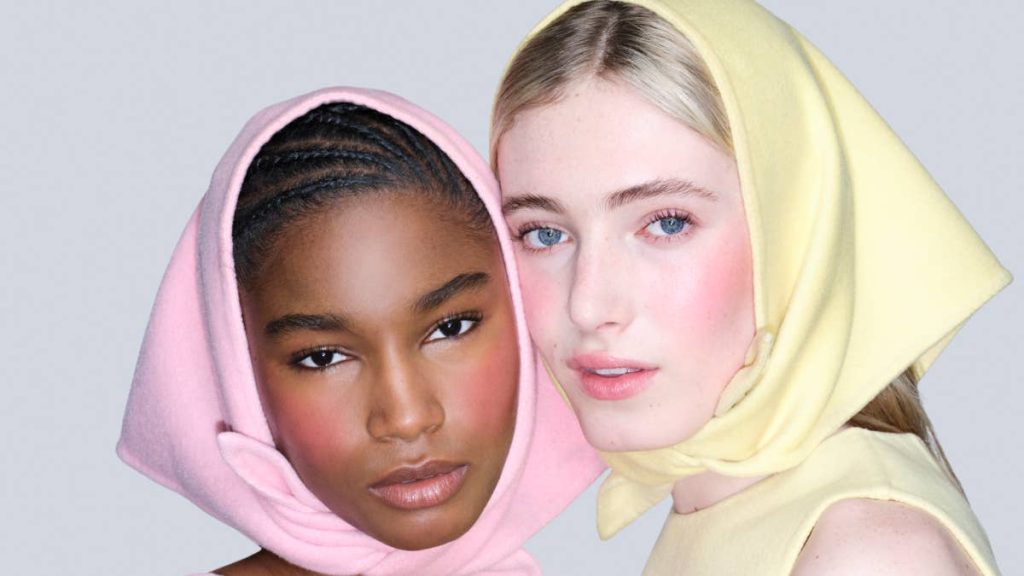
The beauty industry is witnessing a dramatic transformation as a prominent designer cosmetics line returns with an entirely new aesthetic philosophy. After discontinuing operations in 2021, this luxury beauty brand has emerged under new ownership with a radically different approach that abandons its previous minimalist black packaging for an explosion of color and playful design elements.
I find this rebranding fascinating because it represents everything that’s both exciting and potentially risky about modern beauty marketing. The shift from sophisticated minimalism to cartoon-like maximalism is bold, but it also feels like a complete departure from what made the original brand special. This approach will likely resonate with Gen Z consumers who embrace loud, unapologetic self-expression, but it might alienate longtime fans who appreciated the brand’s former elegance.
The new collection launches with an impressive array of products that prioritize fun over sophistication. The lineup includes long-wearing eyeliner pencils available in 21 shades ranging from basic mattes to glittery special effects, priced at $26 each. Cream-to-powder eyeshadows offer 14 options including metallics and iridescents for $29, while volumizing mascara comes in unconventional colors like blue alongside traditional black and brown for the same price.
What strikes me most about this relaunch is the packaging design philosophy. Instead of the sleek, uniform aesthetic that dominated luxury beauty for years, each product category features distinct colorful containers with emoji-inspired symbols. Stars represent eye products, daisies symbolize skin items, and hearts indicate lip products. It’s undeniably Instagram-ready, but I question whether this approach has staying power beyond the initial novelty.
The brand’s creative director explained that beauty should function like fashion – not as a necessity but as a form of self-expression and desire. This philosophy translates into product names that read like social media slang: “Gagged,” “Delulu,” “Salty,” and “No Cap” for eyeliners, while blush sticks bear names like “Papa Don’t Peach” and “Freaks Cheeks.” These names will either feel brilliantly current or embarrassingly dated in five years – there’s no middle ground.
Who This Relaunch Really Serves
This transformation clearly targets younger consumers who view makeup as a playground rather than a polished finishing touch. The brand will likely succeed with teenagers and twenty-somethings who prioritize viral moments over timeless elegance. However, I believe this approach alienates professional women and mature consumers who appreciated the brand’s former sophistication.
The pricing strategy reveals interesting market positioning. At $26-42 per item, these products sit firmly in the premium category while adopting distinctly mass-market aesthetics. This creates an unusual value proposition that might confuse consumers about the brand’s intended market position.
The Broader Industry Impact
This relaunch reflects a larger trend in beauty where traditional luxury codes are being challenged by social media-driven aesthetics. While I appreciate brands taking creative risks, I worry about the sustainability of trend-driven beauty marketing. Products with names like “Booty Call” and “Money Shot” might generate initial buzz, but they lack the timeless appeal that builds lasting brand equity.
The extensive shade range across all categories demonstrates genuine inclusivity efforts, particularly in the bronzer collection spanning eight tones. This represents meaningful progress in making luxury beauty accessible to diverse skin tones, which I consider the most valuable aspect of this relaunch.
Ultimately, this transformation represents a fascinating experiment in brand reinvention. While the maximalist approach will undoubtedly generate social media attention and appeal to younger demographics, I question whether it can sustain long-term brand loyalty. The beauty industry’s history is littered with trend-chasing brands that burned bright and faded fast.
The collection debuts online at major beauty retailers in June, with physical store rollouts planned for September. Additional product launches are scheduled for fall, suggesting the brand is committed to this new direction. Whether this bold gamble pays off will depend largely on Gen Z’s continued embrace of maximalist beauty aesthetics and the brand’s ability to evolve beyond initial novelty.