
How Vintage Furniture Transformed a Minimalist Polish Apartment Into a Cozy Family Home
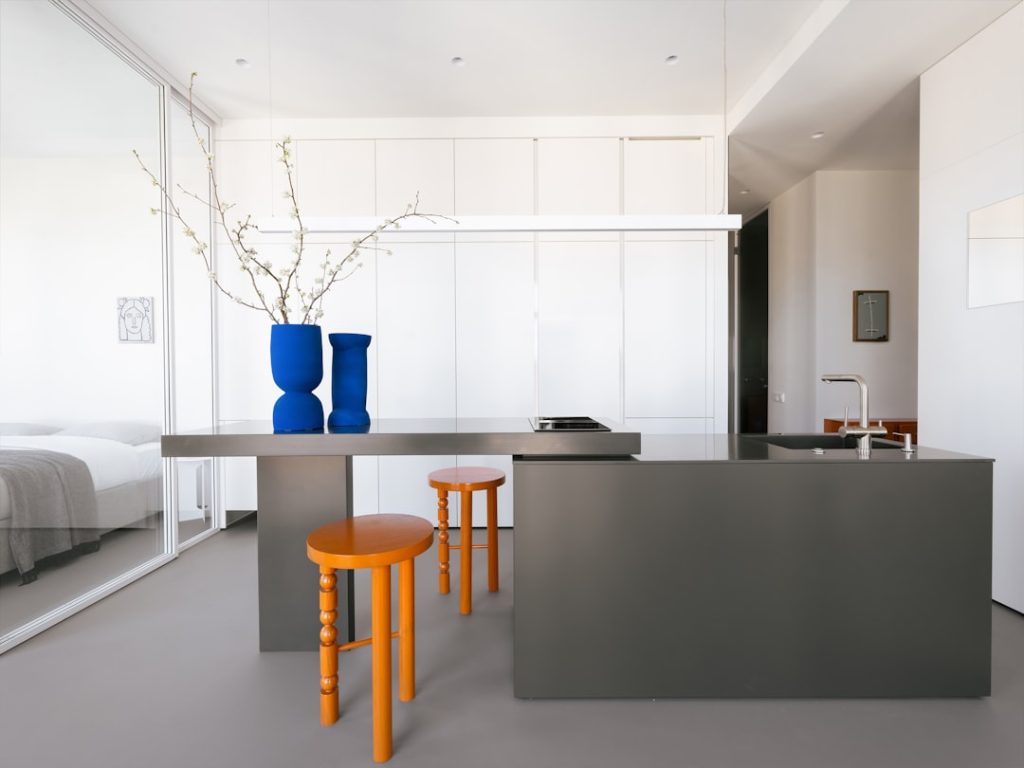
In my opinion, there’s nothing quite as satisfying as watching a sterile space come alive through thoughtful design choices. A compact 538-square-foot apartment in Gdańsk serves as a perfect example of how vintage furniture discoveries and strategic color choices can completely transform a living space from bland to brilliant.
What strikes me most about this transformation is how the owners rejected the typical minimalist approach that dominates so many modern apartments. Instead of embracing the stark “white box” aesthetic that developers seem to love, they chose warmth and personality – a decision I wholeheartedly support.
The Power of Secondhand Treasures
The apartment’s character comes primarily from carefully curated thrift store finds and vintage Scandinavian furniture pieces. This approach resonates with me because it proves you don’t need an unlimited budget to create a distinctive home. For young professionals or families just starting out, this strategy offers both financial benefits and environmental consciousness.

However, I should note that this approach isn’t for everyone. Those who prefer clean lines and minimal visual clutter might find the collected aesthetic overwhelming. The vintage hunting lifestyle also requires patience and a good eye – qualities not all homeowners possess or want to develop.
Strategic Color Choices Make the Difference
The muted green kitchen particularly catches my attention as a masterclass in color psychology. Green creates a calming atmosphere while still providing visual interest – something I believe more homeowners should consider instead of defaulting to stark white or gray palettes.
This color choice works especially well in small spaces because it creates depth without overwhelming the room. For anyone living in a compact apartment, I’d recommend considering similar earth tones that add warmth without making spaces feel cramped.

Clever Solutions for Family Living
The innovative children’s room divider showcases what I consider the most important aspect of small-space living: multifunctional design. This solution addresses privacy needs while maintaining the apartment’s open feel – a balance that’s crucial in family homes under 600 square feet.
Parents living in studio or one-bedroom apartments would benefit enormously from similar creative partitioning solutions. However, this approach requires commitment to organization and tidiness that some families might struggle to maintain.
What impresses me most about this transformation is how it proves that personality doesn’t require square footage. The owners created distinct zones and visual interest through furniture placement and color rather than relying on architectural features they didn’t have.
For anyone considering a similar approach, I’d emphasize the importance of having a clear vision before starting. Random vintage pieces won’t create the same cohesive result – success requires intentional curation and patience to find the right pieces that work together harmoniously.
Photo by Alexey Aladashvili on Unsplash
Photo by Francesca Tosolini on Unsplash