
Japan’s Breakthrough in Hypersonic Flight Technology Could Transform Global Aviation
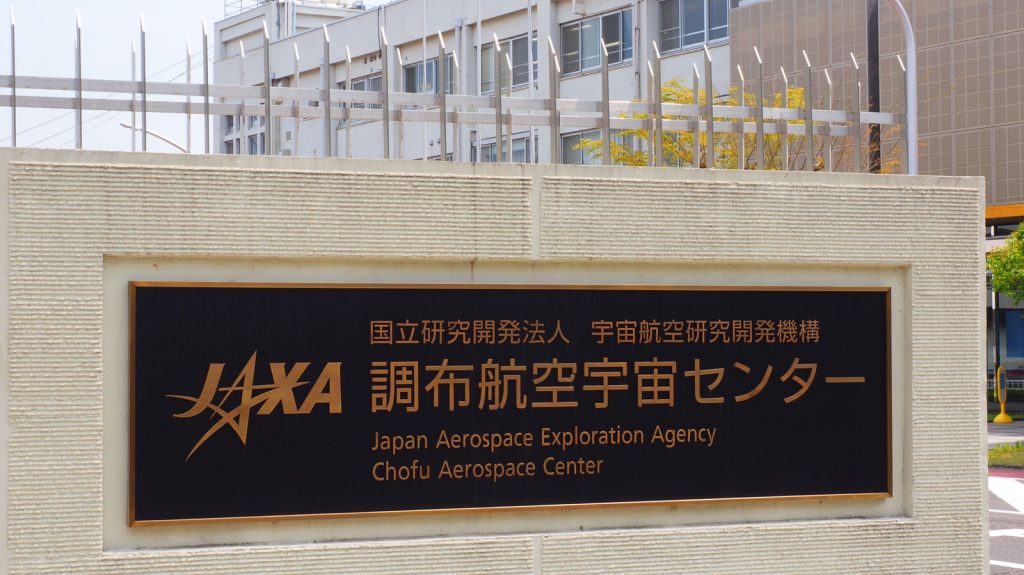
The prospect of crossing the Pacific Ocean in under two hours sounds like something from a futuristic movie, but Japanese researchers have just taken a significant step toward making this dream a reality. I believe this development represents one of the most exciting advances in aviation technology we’ve seen in decades, though it’s important to temper our expectations about when ordinary travelers might actually experience these speeds.
Revolutionary Engine Technology Shows Promise
The Japan Aerospace Exploration Agency, working alongside prestigious universities including Waseda, Tokyo University, and Keio University, has successfully tested a ramjet engine capable of operating at Mach 5 speeds. What makes this achievement particularly impressive is that they conducted comprehensive ground trials at the Kakuda Space Center, validating not just the engine performance but also critical systems like heat shielding and flight controls under extreme conditions.
In my view, this holistic approach to testing sets Japan apart from other hypersonic programs that often focus on isolated components. The team simulated flight conditions at 25 kilometers altitude—nearly twice the height of commercial aircraft—where atmospheric density drops to just one percent of sea-level conditions. This creates unique engineering challenges that the Japanese team appears to have addressed systematically.
Understanding the Engineering Marvel
Ramjet technology fascinates me because of its elegant simplicity combined with extraordinary performance potential. Unlike conventional jet engines with complex rotating machinery, ramjets have no moving parts whatsoever. They rely entirely on the aircraft’s forward motion to compress incoming air, which is then mixed with fuel and ignited to generate thrust.
However, this simplicity comes with a significant limitation that makes ramjets unsuitable for most current aviation applications: they cannot function from a standstill. The engine requires the aircraft to already be traveling at supersonic speeds before it can operate effectively. This means hypersonic aircraft will likely need hybrid propulsion systems or rocket boosters for takeoff—adding complexity and cost that could limit their commercial viability.
The extreme operating environment presents another formidable challenge. At Mach 5 and high altitude, surface temperatures can exceed 1,000 degrees Celsius. The Japanese team developed sophisticated thermal protection systems to maintain normal operating temperatures for onboard electronics—a crucial achievement that I believe demonstrates their readiness to tackle the practical realities of hypersonic flight.
The Road to Commercial Reality
While this ground test represents genuine progress, I think it’s crucial to understand what it doesn’t prove. This was a scaled-down model in a controlled wind tunnel environment, not an actual flight test. The next phase involves mounting the experimental vehicle on a sounding rocket for a genuine Mach 5 flight test—a significantly more challenging undertaking.
The timeline projecting commercial hypersonic passenger service by the 2040s strikes me as optimistic but not unrealistic, assuming continued steady progress. However, I believe several groups will benefit from this technology long before regular passengers do. Military applications will likely come first, followed by premium business travel for executives who can justify the presumably enormous ticket costs.
For the average traveler, I suspect hypersonic flight will remain prohibitively expensive for many years, similar to how supersonic Concorde flights were limited to wealthy passengers. The technology will need to mature significantly and costs must drop dramatically before hypersonic travel becomes accessible to mainstream travelers.
Transformative Potential for Global Connectivity
If successful, this technology could fundamentally reshape global business and tourism. A two-hour flight from Tokyo to Los Angeles would transform what currently requires careful planning and jet lag recovery into a feasible day trip. I believe this could particularly benefit:
- International business executives who need face-to-face meetings across continents
- Emergency medical transport requiring rapid intercontinental travel
- Time-sensitive cargo delivery for high-value goods
- Wealthy tourists seeking unique travel experiences
However, the technology will likely have limited relevance for budget-conscious travelers, short-distance routes where the speed advantage is minimal, or routes where existing infrastructure and costs already meet passenger needs adequately.
The environmental implications also deserve consideration. While hypersonic aircraft might reduce flight duration, they will likely consume significantly more fuel per passenger than conventional aircraft, potentially offsetting some environmental benefits through increased emissions per trip.
Overall, I view Japan’s successful ramjet test as a genuine breakthrough that brings hypersonic passenger flight closer to reality, though significant technical, regulatory, and economic hurdles remain before this technology transforms everyday air travel.