
Revolutionary Artificial Eggshells Enable Chick Development as Space Missions Explore Earth’s Magnetic Shield
The scientific community has witnessed several groundbreaking developments this week, from biotechnology advances that could reshape conservation efforts to ambitious space missions designed to unlock mysteries of our planet’s protective barriers. These stories highlight both the promise and controversy surrounding cutting-edge research.
Biotech Company Achieves Breakthrough in Artificial Incubation
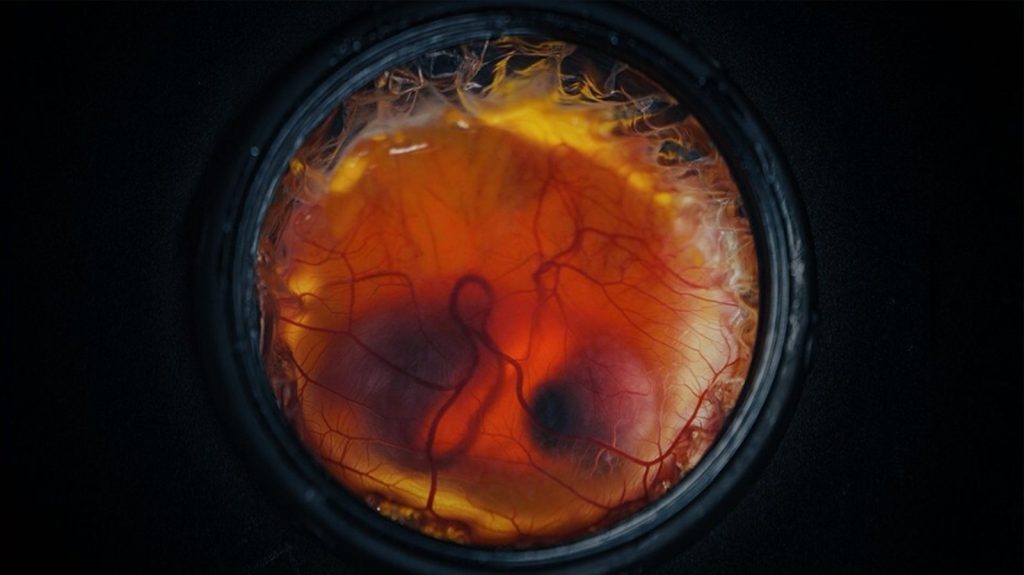
A prominent de-extinction biotechnology firm has successfully hatched 26 healthy chicks using completely artificial eggshells, marking what I believe could be a pivotal moment for both conservation and resurrection biology. The company’s 3D-printed shells feature a sophisticated design with semi-permeable silicone membranes that allow oxygen flow while maintaining protection, supported by rigid structural cups.
What strikes me as particularly significant is the methodology involved. Scientists extract embryos from naturally laid eggs within 24-48 hours, then transfer the contents into these artificial vessels. While the genetic material still originates from living birds, this technology could theoretically support species with egg sizes far exceeding what modern surrogates could handle naturally.
The implications are fascinating for conservationists working with endangered species that have specific incubation requirements. However, I’m skeptical about the grander claims regarding extinct species revival. As evolutionary biologist Vincent Lynch aptly noted, creating genetically modified versions of extinct animals doesn’t truly resurrect those species – it produces something entirely new wearing an ancient name.
This technology would benefit researchers studying avian development, conservation programs dealing with critically endangered birds, and potentially commercial poultry operations seeking more controlled incubation methods. However, those expecting authentic de-extinction might find themselves disappointed by what amounts to sophisticated genetic engineering rather than true resurrection.
International Space Mission Targets Earth’s Magnetic Defense System
The collaborative Smile mission between European and Chinese space agencies represents what I consider one of the most ambitious attempts to understand our planet’s invisible protective mechanisms. Launched aboard a Vega-C rocket, this spacecraft carries specialized X-ray and ultraviolet cameras designed to observe how Earth’s magnetosphere responds to solar wind bombardment.
What makes this mission particularly valuable is its ability to capture extended 45-minute observations of auroral phenomena – far longer than previous attempts. This extended observation window should provide unprecedented insights into the dynamic interactions between solar particles and our magnetic field.
I believe this research will prove invaluable for space agencies, satellite operators, and telecommunications companies who need to understand space weather impacts on their infrastructure. The data could also benefit climate researchers studying upper atmospheric processes. However, casual space enthusiasts shouldn’t expect immediate practical applications from these findings – the benefits will likely emerge gradually over years of analysis.
Europa Water Vapor Claims Face Scientific Scrutiny
Recent reanalysis of Hubble telescope data has cast serious doubt on previous claims about water vapor plumes erupting from Jupiter’s moon Europa. The original 2014 findings, which suggested cracks in Europa’s icy surface were releasing subsurface ocean water, now face significant statistical challenges.
What concerns me about this reversal is how it demonstrates the fragility of astronomical conclusions based on limited data sets. The research team’s confidence dropped from 99.9 percent to below 90 percent – a dramatic shift that suggests the original findings may have been influenced by statistical noise and instrument positioning uncertainties.
This development matters most for astrobiologists and planetary scientists who’ve been building theories about Europa’s potential habitability based on these plume observations. Mission planners for future Europa exploration might need to adjust their strategies accordingly. However, the general public shouldn’t view this as definitively ruling out Europa’s oceanic activity – it simply means we need better evidence.
The upcoming Europa Clipper mission, expected to reach Jupiter in 2030, should provide the definitive answers we need. Until then, I think it’s wise to maintain healthy skepticism about extraordinary claims regarding this intriguing moon.
Looking Forward
These developments collectively illustrate both the rapid pace of scientific advancement and the importance of rigorous peer review. The artificial eggshell technology shows genuine promise for conservation applications, even if the de-extinction claims seem overblown. The Smile mission represents exactly the kind of international collaboration needed to tackle complex planetary science questions. And the Europa findings remind us that scientific understanding evolves as new data becomes available.
For science enthusiasts, these stories demonstrate why following research developments requires patience and critical thinking. Revolutionary claims often require years of validation before their true significance becomes clear.