
Short-Term Rental Giant Transforms Into Comprehensive Travel Platform
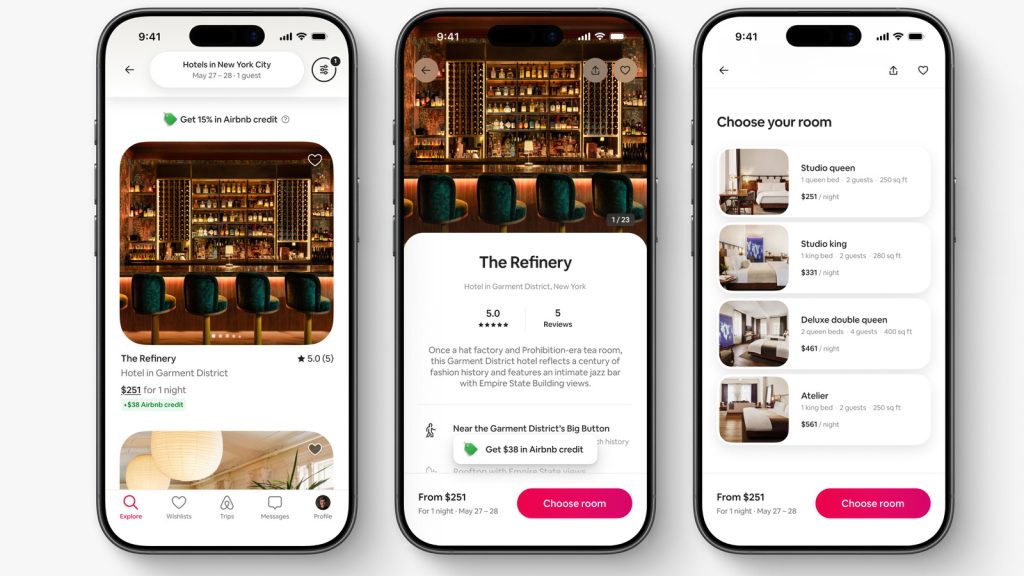
The vacation rental industry is witnessing a significant shift as major platforms expand far beyond their original scope. What started as simple home-sharing services are now evolving into full-service travel ecosystems, and frankly, this transformation was inevitable.
The latest expansion includes traditional hotel bookings, which I find particularly interesting from a strategic standpoint. This move directly challenges established hotel booking platforms by offering boutique and independent properties across major destinations like New York, Paris, London, Madrid, Rome, and Singapore. The company is positioning these as “hotels that feel authentic” while promising price matching and up to 15 percent booking credits for future reservations.
Beyond Accommodation: The Service Expansion
What’s more compelling, in my opinion, is the introduction of grocery delivery services. This addresses a real pain point for travelers – the hassle of finding and using local delivery apps in foreign countries. Through partnerships with established delivery networks, guests can now have groceries delivered during their stay or even pre-stocked before arrival in 25 US cities. Free delivery for guests plus a $10 discount on orders over $50 makes this genuinely attractive.
I believe this service will particularly benefit families and longer-stay travelers who prefer cooking to dining out constantly. Business travelers on extended trips will also find this valuable, though weekend leisure travelers might not see much benefit.
Transportation and Logistics Integration
The platform is also integrating airport pickup services through partnerships with specialized transportation companies, covering 160 cities globally with flight tracking and 20 percent guest discounts. Additionally, luggage storage partnerships allow travelers to locate nearby drop-off points directly through the app, earning 20 percent booking credits.
Car rental integration rounds out the transportation offerings, showing vehicles near accommodations with first-rental credits. While convenient, I question whether this adds significant value over existing car rental apps that travelers already use.
Experience Economy Expansion
The experience offerings are growing substantially, focusing on landmark-based activities around attractions like Tokyo Skytree and the Taj Mahal. Food culture experiences and major sporting event packages, including FIFA World Cup activities, demonstrate an attempt to capture higher-value, experiential spending.
This expansion makes sense for frequent platform users who value consolidated booking and unified customer service. However, travelers who prefer specialized services or have established relationships with specific providers might find these integrated offerings unnecessary.
The real winners here are convenience-focused travelers willing to trade potentially better individual service providers for the simplicity of one-stop booking. The losers might be travelers who prioritize getting the absolute best deal or service in each category, as bundled services rarely excel in every area.
Ultimately, this transformation reflects the platform economy’s natural evolution toward comprehensive service provision. Whether travelers embrace this consolidation or continue preferring specialized providers will determine the success of this ambitious expansion strategy.