
The Autonomous Vehicle Industry Faces Growing Pains as Reality Sets In
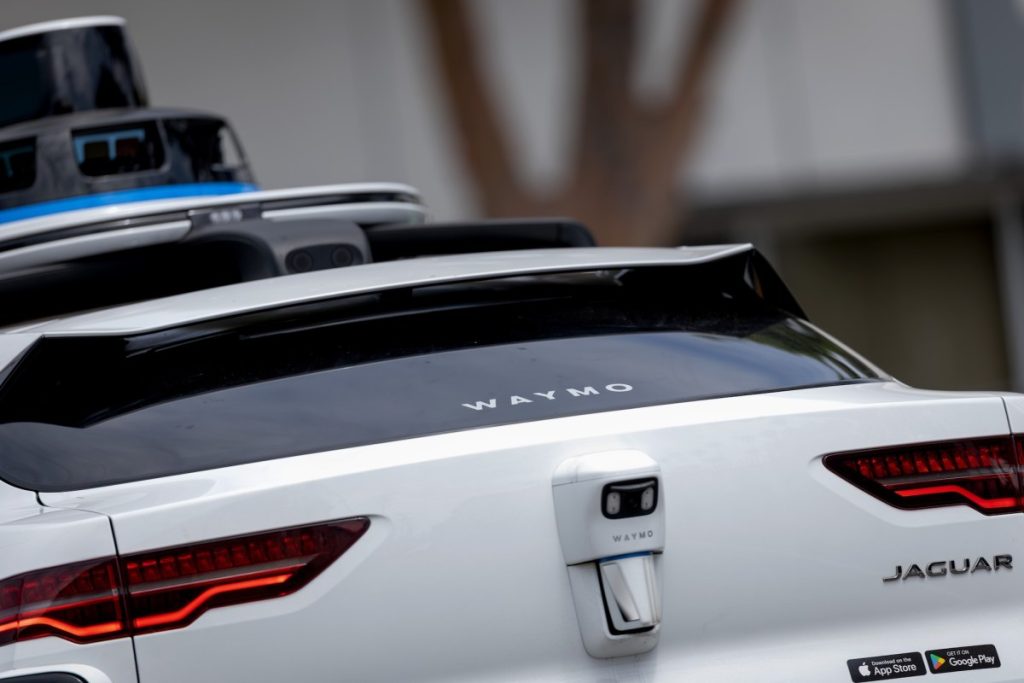
The autonomous vehicle sector is experiencing a fascinating paradox that perfectly illustrates the gap between technological promise and practical deployment. While self-driving cars are indeed operating on city streets today, their operational limitations are becoming increasingly apparent, forcing companies to confront the harsh realities of commercializing this complex technology.
I believe we’re witnessing a crucial inflection point in the autonomous vehicle industry. The recent operational challenges faced by leading robotaxi companies reveal that the technology, while impressive, isn’t as mature as many investors and enthusiasts hoped. This reality check is particularly relevant for transportation planners, urban policymakers, and investors who need to recalibrate their expectations about autonomous vehicle deployment timelines.
Weather and Construction: The Persistent Challenges
Recent events have highlighted significant operational limitations in autonomous vehicle systems. Major robotaxi operations have been suspended across multiple cities due to vehicles struggling with heavy rain, flooding, and construction zones. These aren’t minor technical glitches—they represent fundamental challenges in artificial intelligence’s ability to navigate unpredictable real-world scenarios.
What strikes me most about these limitations is how they underscore the complexity of human-like decision making. While these vehicles can navigate standard traffic patterns remarkably well, they struggle with the kind of situational awareness that human drivers take for granted. This suggests that the path to full autonomy will be longer and more iterative than many predicted.
For ride-sharing companies and fleet operators, these limitations mean that autonomous vehicles remain a supplementary rather than replacement technology for human drivers. The industry’s acknowledgment that both human and robotic drivers will coexist for the foreseeable future reflects this practical reality.
Corporate Interconnections and Strategic Implications
The complex web of relationships between major technology companies is creating interesting dynamics in the autonomous vehicle space. Recent corporate filings reveal extensive cross-company transactions that highlight how interconnected these business ecosystems have become.
From my perspective, this interconnectedness could accelerate innovation through resource sharing and collaboration, but it also creates potential conflicts of interest and market concentration concerns. For investors, understanding these relationships is crucial for assessing risk and opportunity in the sector.
The financial flows between related companies—including hundreds of millions in energy storage purchases and vehicle acquisitions—demonstrate how these firms are building integrated technology stacks that span multiple industries. This vertical integration strategy could provide competitive advantages but also increases complexity and regulatory scrutiny.
Investment Activity and Market Evolution
Despite operational challenges, investment in mobility technology continues at a robust pace. Recent funding rounds include significant investments in electric travel trailer technology, maritime sensing networks, and autonomous vehicle partnerships worth hundreds of millions of dollars.
I find the diversity of investment particularly noteworthy. While much attention focuses on passenger vehicles, investors are also backing specialized applications like travel trailers and maritime systems. This suggests a maturing market that recognizes autonomous technology’s potential across multiple transportation sectors.
The strategic partnership between autonomous vehicle companies and traditional automakers represents another significant trend. These collaborations could accelerate deployment by combining software expertise with manufacturing capabilities, though success will depend on effective integration of different corporate cultures and technical approaches.
Who Benefits and Who Doesn’t
Current autonomous vehicle developments primarily benefit early adopters in specific geographic markets and use cases. Urban residents in test cities gain access to novel transportation options, while technology companies gather valuable real-world data to improve their systems.
However, rural communities, elderly users uncomfortable with technology, and workers in traditional transportation industries may face challenges or displacement. Policymakers need to consider these equity implications as they develop regulatory frameworks for autonomous vehicles.
Looking Ahead: Realistic Expectations
The autonomous vehicle industry is entering a phase of realistic expectations after years of ambitious promises. While the technology continues advancing, recent operational suspensions and technical challenges remind us that full autonomy remains a work in progress.
For consumers, this means autonomous vehicles will likely remain limited to specific routes, weather conditions, and geographic areas for several more years. For businesses, it suggests that hybrid approaches combining human and automated systems will dominate the near-term market.
The industry’s ability to address current limitations while maintaining public trust will determine whether autonomous vehicles become a transformative transportation technology or remain a niche application. Based on current progress and challenges, I believe we’re looking at gradual expansion rather than revolutionary deployment in the coming years.