
The Great Debate: Which Alcoholic Beverage Reigns Supreme for Health?
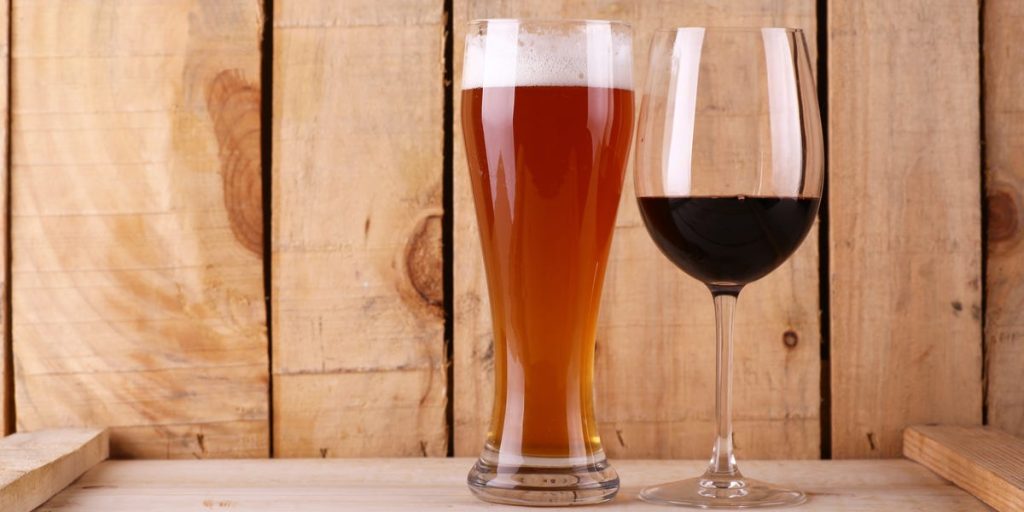
The eternal question that surfaces at dinner parties and happy hours across the globe: when choosing between fermented grapes and malted barley, which option serves your body better? As someone who has watched countless friends justify their drinking choices with cherry-picked health studies, I find this debate both fascinating and slightly ridiculous. Let’s dive into what nutrition experts actually say about these two beloved beverages.
Why Wine Enthusiasts Have a Point
Red wine advocates aren’t entirely wrong when they tout their drink of choice as the healthier option. The beverage does contain impressive levels of polyphenols, particularly resveratrol, which research suggests may offer cardiovascular protection. These compounds potentially help reduce harmful cholesterol levels and combat inflammation throughout the body.
What I find interesting is how red wine’s antioxidant profile genuinely differs from other alcoholic beverages. The fermentation process with grape skins creates a concentration of beneficial compounds that you simply won’t find in distilled spirits or most beers. However, and this is a big however, the therapeutic doses of these compounds that show benefits in studies are often far higher than what you’d get from moderate wine consumption.
White wine drinkers shouldn’t feel completely left out, though the antioxidant content is notably lower. Still, these lighter varieties offer some digestive benefits and immune system support, though I’d argue you’re mostly drinking for pleasure at that point, not health.
The Case for Beer Lovers
Beer enthusiasts often get unfairly dismissed in health discussions, but they have legitimate points to make. Quality brews, particularly craft varieties and darker styles, contain meaningful amounts of B vitamins essential for energy metabolism and nervous system function. This is something wine simply cannot match.
Recent research has also shown that moderate beer consumption correlates with reduced cardiovascular disease risk and lower overall mortality rates. While I’m always skeptical of studies that make alcohol look beneficial, the data on beer’s metabolic health effects is becoming harder to ignore.
The real advantage beer has, in my opinion, is its lower alcohol content per serving compared to wine. This makes it easier to consume responsibly, though the larger serving sizes can quickly negate this benefit.
The Reality Check Nobody Wants to Hear
Here’s where I need to be brutally honest: both beverages come with significant downsides that probably outweigh their modest benefits for most people. The calorie content alone should give pause to anyone watching their weight. A typical beer serving contains roughly 50% more calories than a glass of wine, primarily due to portion size and carbohydrate content.
More importantly, we’re still talking about alcohol consumption, which carries serious health risks regardless of the delivery method. Liver damage, sleep disruption, addiction potential, and increased cancer risk don’t disappear because your drink contains antioxidants.
I think the moderation guidelines from health authorities exist for good reason. The CDC’s recommendation of no more than two drinks daily for men and one for women reflects the narrow window where any potential benefits might outweigh the risks.
Who Should Choose What
If you’re someone who genuinely enjoys wine with meals and can stick to moderate consumption, the polyphenol content gives red wine a slight edge. This choice makes sense for people who prioritize antioxidant intake and prefer smaller, more controlled portions.
Beer might be better suited for those who struggle with portion control in wine, since the lower alcohol content provides a built-in brake. It’s also the superior choice if you’re concerned about getting adequate B vitamins in your diet, though a multivitamin would be more effective.
However, if you’re drinking primarily for health benefits, you’re approaching this backwards. The cardiovascular and antioxidant benefits you’re seeking are available in much higher concentrations from grape juice, berries, and other non-alcoholic sources.
The Verdict
After examining the evidence, I believe red wine has a marginal health advantage over beer, but the difference is so small as to be practically meaningless. Both beverages can fit into a healthy lifestyle when consumed mindfully and in moderation.
The real question isn’t which drink is healthier, but whether you can honestly consume either one responsibly. If you find yourself regularly exceeding moderate consumption guidelines or using health claims to justify excessive drinking, neither option is serving your wellbeing.
Ultimately, choose based on your personal preferences and social situations, not on exaggerated health claims. Both wine and beer offer enjoyment and social connection when used appropriately, and that psychological benefit might be more valuable than any antioxidant content.