
The Psychology Behind Airport Luggage Wrapping: Security Theater or Smart Protection?
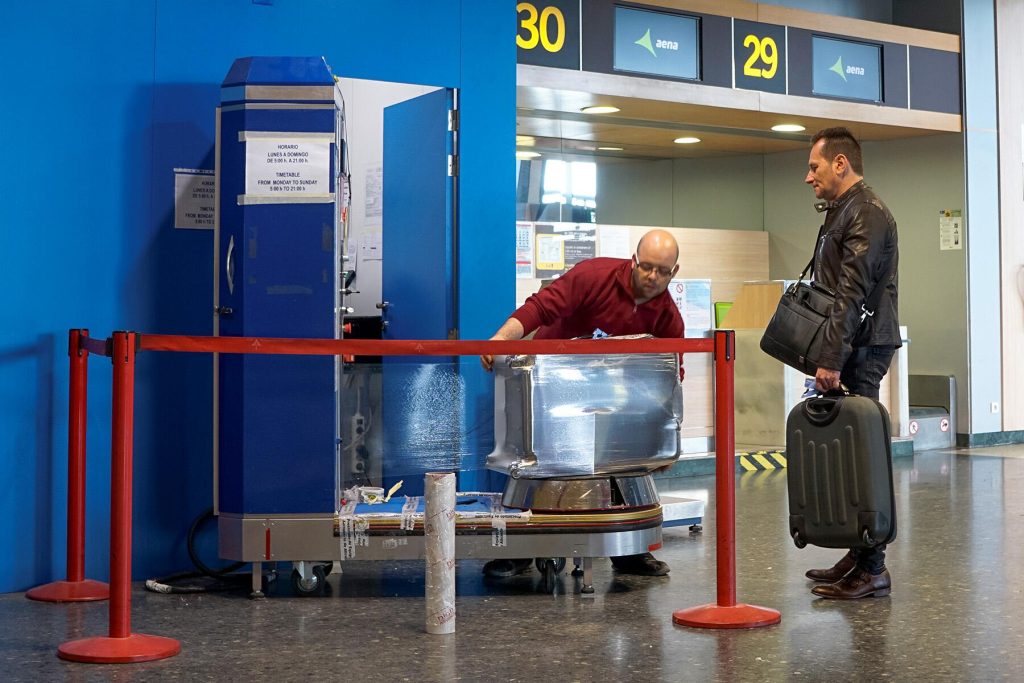
Walking through any major international airport, you’ll inevitably encounter those bright plastic wrapping stations where travelers pay to encase their suitcases in layers of cellophane. To some, this practice seems like an obvious money grab targeting anxious flyers. To others, it represents a sensible precaution in an unpredictable travel environment.
Having observed this phenomenon across dozens of airports worldwide, I believe the truth lies somewhere in between. The persistence of luggage wrapping reveals as much about human psychology as it does about practical travel concerns—and understanding both aspects can help you make better decisions about your own baggage security.
The Real Benefits Are Limited But Legitimate
Let’s be honest about what plastic wrapping actually accomplishes. According to luggage industry experts, the primary advantage is protection from moisture and dirt during outdoor baggage handling. If you’re traveling through regions prone to severe weather—think tropical storms in Southeast Asia or heavy rains in South America—that thin plastic barrier might prevent water damage to your belongings.
The wrapping also provides minimal protection against scratches and scuffs, though it won’t save your bag from serious impacts or rough handling. For theft prevention, it creates a minor deterrent by making quick tampering more difficult and time-consuming.
Here’s my take: these benefits are real but modest. If you’re carrying expensive items in soft-sided luggage and traveling through areas known for baggage handling issues, the cost might be justified. For most travelers with standard hard-shell cases on routine routes, you’re probably wasting your money.
Security Screening Won’t Target Your Wrapped Bags
One common misconception deserves clarification: airport security doesn’t flag wrapped luggage for additional inspection. Transportation security officials evaluate each bag individually using various screening methods, and plastic wrapping doesn’t influence those decisions.
The caveat is that if your bag does get opened for inspection, security won’t rewrap it for you. Some wrapping services offer free re-wrapping if this occurs, but you’ll need to track down their station after collecting your luggage.
This reality check matters because many travelers assume wrapped bags look suspicious. They don’t—but the inconvenience factor when security does intervene can be significant.
The Psychology Reveals Our Travel Anxieties
What fascinates me most about luggage wrapping is what it reveals about the psychology of modern travel. Air travel strips away our sense of control in profound ways. We surrender our belongings to strangers, submit to invasive security procedures, and place our faith in complex systems we don’t understand.
Mental health professionals recognize this as triggering our need for the “illusion of control.” When people feel powerless, they gravitate toward small actions that provide a sense of agency, regardless of their actual effectiveness.
Wrapping your luggage offers immediate, visible reassurance. You can see the barrier, feel the sealed surface, and convince yourself you’ve taken meaningful protective action. It’s similar to other travel rituals like photographing your bags before check-in or obsessively sanitizing airplane surfaces—the emotional impact often exceeds the practical benefit.
Who Benefits Most From This Practice
Based on my analysis, luggage wrapping makes the most sense for specific traveler profiles:
- Business travelers carrying valuable equipment through high-risk regions
- Tourists visiting areas with documented baggage tampering issues
- Anxious flyers who genuinely feel calmer with visible protection measures
- Travelers with expensive soft-sided luggage prone to weather damage
Conversely, I’d argue it’s largely unnecessary for:
- Domestic travelers on major carriers with good security records
- Budget-conscious tourists carrying standard clothing and toiletries
- Experienced travelers comfortable with normal baggage handling risks
- Environmental advocates concerned about single-use plastic waste
The Environmental Cost We Ignore
Here’s an aspect that bothers me about the widespread adoption of luggage wrapping: the environmental impact. Each wrapping session generates significant plastic waste that gets immediately discarded upon arrival. Multiply this across millions of travelers annually, and we’re talking about substantial environmental damage for marginal security benefits.
Airlines and airports rarely discuss this tradeoff, but conscious travelers should factor it into their decision-making. If you’re genuinely concerned about theft or damage, investing in quality luggage with built-in security features makes more environmental and economic sense than repeatedly buying plastic wrapping.
Making the Right Choice for Your Situation
The persistence of luggage wrapping services proves they’re meeting a real psychological need, even if the practical benefits are debatable. My recommendation is to approach this decision rationally rather than emotionally.
If you’re traveling to regions with documented baggage security issues, carrying irreplaceable items, or dealing with severe travel anxiety, the modest cost might be worthwhile for peace of mind alone. But recognize that you’re primarily purchasing psychological comfort rather than meaningful physical protection.
For most travelers, that money would be better spent on comprehensive travel insurance, quality luggage with integrated security features, or simply accepting that minor baggage risks are part of modern travel. The key is making an informed choice based on your specific circumstances rather than falling into the security theater that pervades so much of our travel experience.