
Transforming a Vintage RV into a Modern Mobile Sanctuary in 30 Days
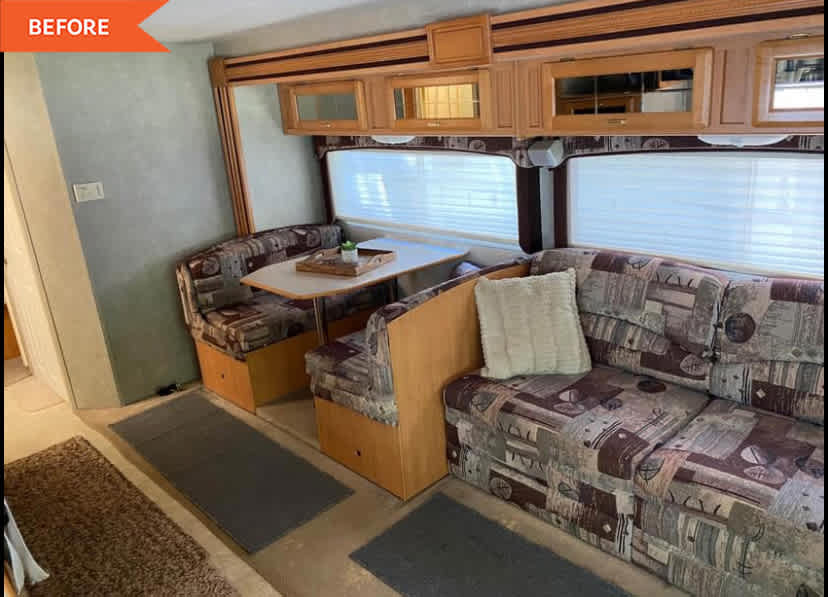
The recreational vehicle renovation market has exploded in recent years, and for good reason. What once seemed like an overwhelming project reserved for skilled craftspeople has become an accessible pathway to affordable housing and nomadic lifestyles. The transformation of an outdated RV into a contemporary living space represents more than just a design challenge—it’s a statement about priorities, sustainability, and the evolving definition of home.
I believe this trend speaks to a fundamental shift in how we think about living spaces. The traditional notion that bigger is always better is being challenged by those who recognize that thoughtful design can make even the most compact areas feel spacious and serene. This particular approach to RV renovation demonstrates that with clear vision and strategic planning, a month-long project can yield results that rival expensive tiny home builds.
The appeal of such projects extends far beyond the DIY enthusiast community. Remote workers seeking location independence find these mobile homes particularly attractive, as do retirees looking to downsize without sacrificing comfort. However, this lifestyle isn’t suitable for everyone. Families with multiple children or individuals who require extensive storage for hobbies or professional equipment may find the constraints challenging.
What strikes me most about successful RV transformations is the emphasis on creating calming environments. In our increasingly chaotic world, the ability to craft a peaceful retreat that can travel anywhere holds tremendous appeal. The focus on bright, airy aesthetics serves a practical purpose too—smaller spaces benefit enormously from design choices that maximize natural light and create visual continuity.
From a financial perspective, RV renovations offer compelling advantages over traditional housing markets. While a complete transformation might cost several thousand dollars, the total investment often remains significantly lower than conventional home purchases or even lengthy apartment leases. This makes the option particularly relevant for young adults entering expensive housing markets or individuals seeking to reduce their overall living expenses.
The 30-day timeline represents an achievable goal for most renovation projects, assuming proper planning and realistic scope. However, I’d caution against rushing the process simply to meet arbitrary deadlines. Quality workmanship and thoughtful design decisions matter more than speed, especially when creating a space intended for long-term living.
For those considering similar projects, the key lies in understanding your actual needs versus perceived wants. Successful RV living requires honest assessment of lifestyle requirements and willingness to embrace minimalism. The reward, however, can be profound: a custom-designed home that reflects personal values while offering unprecedented freedom to explore.