
Understanding Heritage Tomato Varieties: Why These Traditional Cultivars Matter More Than Ever
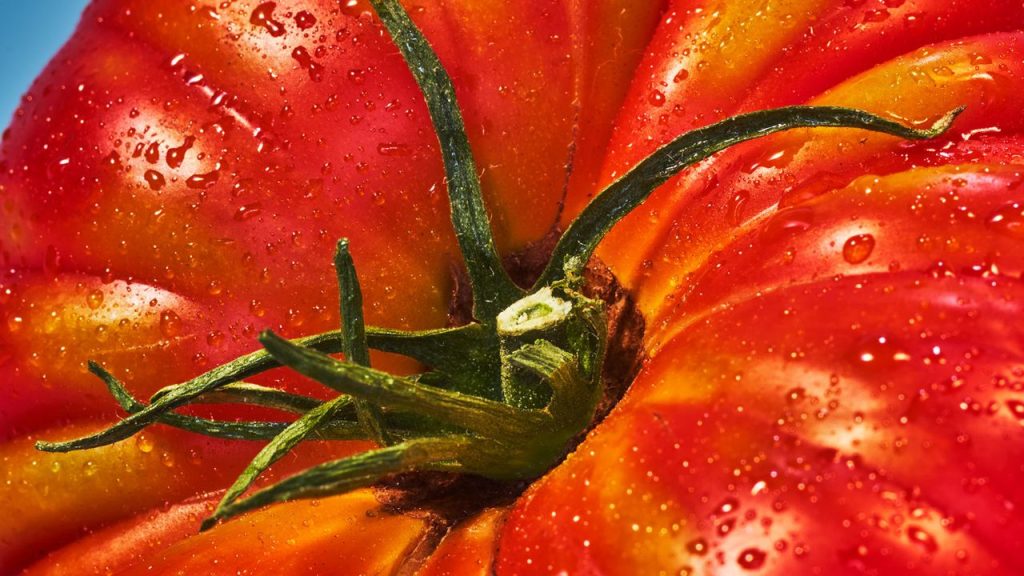
In my opinion, the resurgence of heritage tomato varieties represents one of the most important developments in modern gardening and sustainable agriculture. These traditional cultivars, passed down through generations of growers, offer something that mass-produced hybrids simply cannot match: authentic flavor, genetic diversity, and a direct connection to our agricultural heritage.
Heritage tomatoes, also known as heirloom varieties, are open-pollinated cultivars that have been grown for at least 50 years without genetic modification or commercial hybridization. What makes these varieties special isn’t just their age – it’s their ability to produce seeds that grow true to type, meaning you can save seeds from your harvest and expect the same characteristics in next year’s crop.
The Flavor Revolution That Commercial Growers Don’t Want You to Know
I believe the most compelling reason to grow heritage tomatoes is their superior taste profile. While commercial varieties are bred for uniform appearance, long shelf life, and shipping durability, heritage tomatoes prioritize flavor above all else. Varieties like Cherokee Purple, Brandywine, and Black Krim offer complex, rich flavors that make supermarket tomatoes taste like cardboard in comparison.
This focus on taste over appearance means heritage tomatoes often look imperfect – they might have unusual colors, irregular shapes, or delicate skin. For serious home cooks and gardening enthusiasts, these characteristics are features, not flaws. However, if you’re someone who values convenience and uniform appearance over flavor, heritage varieties might not align with your priorities.
Who Should Consider Growing Heritage Varieties
Heritage tomatoes are ideal for dedicated gardeners who prioritize flavor and are willing to invest extra time and care. These varieties typically require more attention than modern hybrids – they may be more susceptible to diseases, have lower yields, or need specific growing conditions. If you’re a casual gardener looking for foolproof, high-yield plants, you might be better served by disease-resistant hybrid varieties.
Serious cooks and food enthusiasts will find heritage tomatoes invaluable. The depth of flavor and unique characteristics of varieties like Green Zebra, Mortgage Lifter, or Japanese Black Trifele can transform your culinary creations. For restaurants focusing on farm-to-table cuisine, heritage tomatoes provide a competitive advantage that mass-produced varieties cannot offer.
The Seed-Saving Advantage
What I find most valuable about heritage varieties is their contribution to genetic preservation. Each variety represents decades or centuries of careful selection by farmers who saved seeds from their best plants. This genetic diversity becomes increasingly important as climate change and evolving pest pressures challenge modern agriculture.
Seed saving with heritage varieties is straightforward and rewarding. Unlike hybrid tomatoes, which produce offspring that don’t match the parent plant, heritage varieties breed true. This means you can develop a collection of varieties perfectly adapted to your local growing conditions over time.
Practical Considerations for Modern Growers
Growing heritage tomatoes successfully requires understanding their specific needs. Many varieties are indeterminate, meaning they continue growing and producing throughout the season, requiring sturdy support structures. Some varieties have longer maturation periods than modern hybrids, which may not work for gardeners in short-season climates.
I recommend starting with well-established varieties known for reliability, such as Stupice for early harvest or San Marzano for paste production. Avoid the temptation to grow too many varieties in your first season – it’s better to master a few varieties than to struggle with many.
The investment in heritage tomatoes pays dividends beyond the garden. These varieties connect us to agricultural traditions while providing superior ingredients for our tables. For anyone serious about food quality and garden sustainability, heritage tomatoes represent an essential step toward more meaningful and rewarding cultivation practices.