
Why Your Weekend Hobbies Could Be Your Brain’s Best Defense Against Cognitive Decline
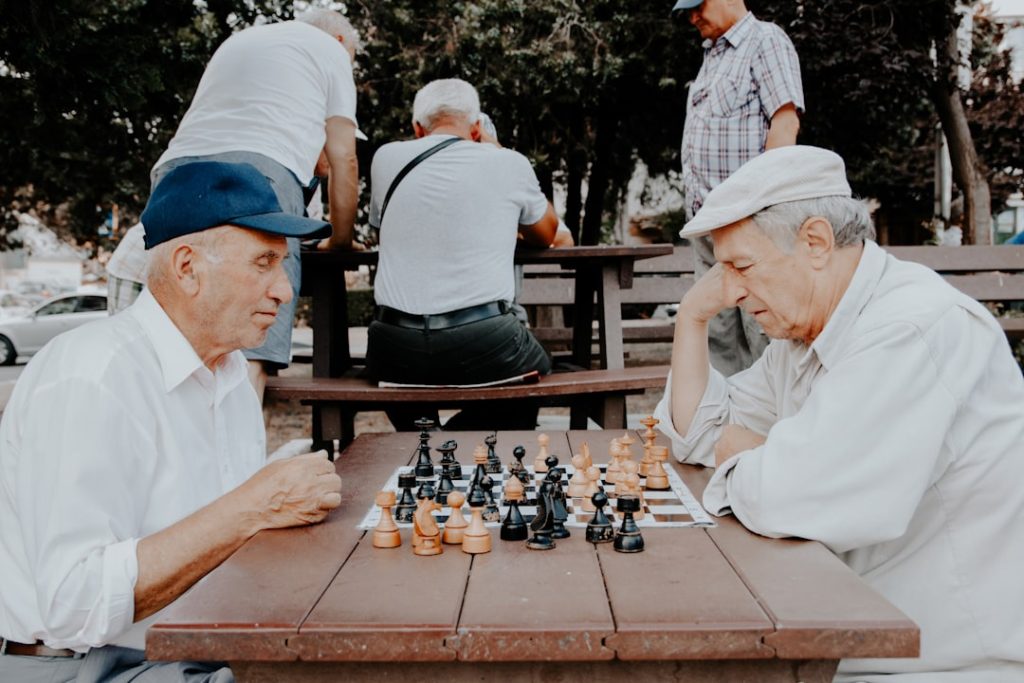
The statistics around cognitive decline are genuinely alarming. With nearly half a million people currently living with brain conditions affecting memory and thinking, and projections showing this number could nearly double within four decades, it’s no wonder many of us feel anxious about our mental future. But here’s what I find encouraging: we’re not helpless passengers on this journey.
What strikes me most about recent research is how much control we actually have. While genetics and aging play roles in cognitive health, scientists now believe that up to 40% of cases worldwide could be prevented through lifestyle modifications. That’s a remarkable level of agency, and it should fundamentally change how we think about brain health.
I’m particularly fascinated by the emerging evidence around recreational activities and their protective effects. This isn’t just about keeping busy – it’s about strategically engaging our minds in ways that build resilience against cognitive decline.
The Science Behind Mental Resilience
The concept of cognitive reserve explains why some people maintain sharp thinking despite brain changes that would impair others. Think of it as building a robust backup system for your mind. People with higher cognitive reserve – developed through education, challenging work, and stimulating activities – often show remarkable resilience when facing age-related brain changes.
What’s compelling about hobby-based interventions is their accessibility. Unlike some medical treatments or genetic factors we can’t control, recreational activities are available to most people and can be tailored to individual preferences and abilities.

Research examining leisure activities has identified three key categories that offer protection: physical activities like walking or dancing, cognitive challenges such as puzzles or reading, and social engagement through clubs or group activities. The beauty lies in how these categories often overlap in real-world hobbies.
Quality Over Perfection
One large-scale study following over 22,000 participants for more than a decade revealed something I find both practical and reassuring. People with at least one regular hobby showed approximately 19% lower risk of developing severe cognitive impairment compared to those without hobbies. Those with multiple interests did even better, with about 23% risk reduction.
But here’s what matters most: no single hobby emerged as superior to others. This finding liberates us from the pressure to find the “perfect” brain-protecting activity. The key isn’t choosing the objectively best hobby – it’s finding something you genuinely enjoy and will stick with long-term.
I believe this sustainability factor is crucial and often overlooked. A hobby you love and practice regularly will always trump a theoretically superior activity you abandon after a few weeks.
The Multi-Benefit Approach
What makes hobbies particularly powerful is their ability to address multiple risk factors simultaneously. The most effective activities combine:

- Cognitive stimulation through learning new skills and problem-solving
- Physical movement, which research consistently shows as one of the strongest protective factors
- Stress reduction, important since chronic stress and depression increase cognitive decline risk
- Social interaction, countering isolation which alone accounts for about 5% of cases
Consider the difference between playing solitaire on your phone versus organizing a weekly game night with friends. Both involve the same basic cognitive challenge, but the social version adds movement, laughter, stress relief, and human connection. From a brain health perspective, there’s no contest.
Social Connection: The Non-Negotiable Element
If I had to prioritize one aspect of hobby selection, it would be social engagement. The evidence here is particularly strong – social isolation ranks among the most significant risk factors, and socially inactive older adults may develop symptoms roughly five years earlier than their connected peers.
This finding has profound implications for how we structure our leisure time, especially as we age. Solo activities certainly have value, but incorporating regular social elements appears crucial for optimal brain protection.
Practical Implementation Strategy
Hobbies aren’t a cure-all, but they represent one of the most enjoyable approaches to risk reduction available. When selecting activities for brain health, I recommend asking yourself four key questions:
- Does this challenge my thinking and require learning?
- Will I move my body regularly while doing this?
- Does this activity boost my mood or sense of purpose?
- Will I interact with other people through this hobby?
The more affirmative answers you can give, the greater your hobby’s potential protective value. But remember – consistency trumps perfection. A simple walking group you attend religiously will likely benefit your brain more than an elaborate hobby you pursue sporadically.
What I find most hopeful about this research is how it reframes aging from passive decline to active preparation. While we can’t control every factor affecting our cognitive future, we can make choices today that significantly improve our odds of maintaining sharp thinking throughout our lives. The key is starting now, choosing activities we genuinely enjoy, and building sustainable habits that will serve us for decades to come.
Photo by Vlad Sargu on Unsplash
Photo by Julia Vivcharyk on Unsplash
Photo by Tiago Muraro on Unsplash